
Ice Baths & Chillers | Cold Water Therapy & Plunge Pools
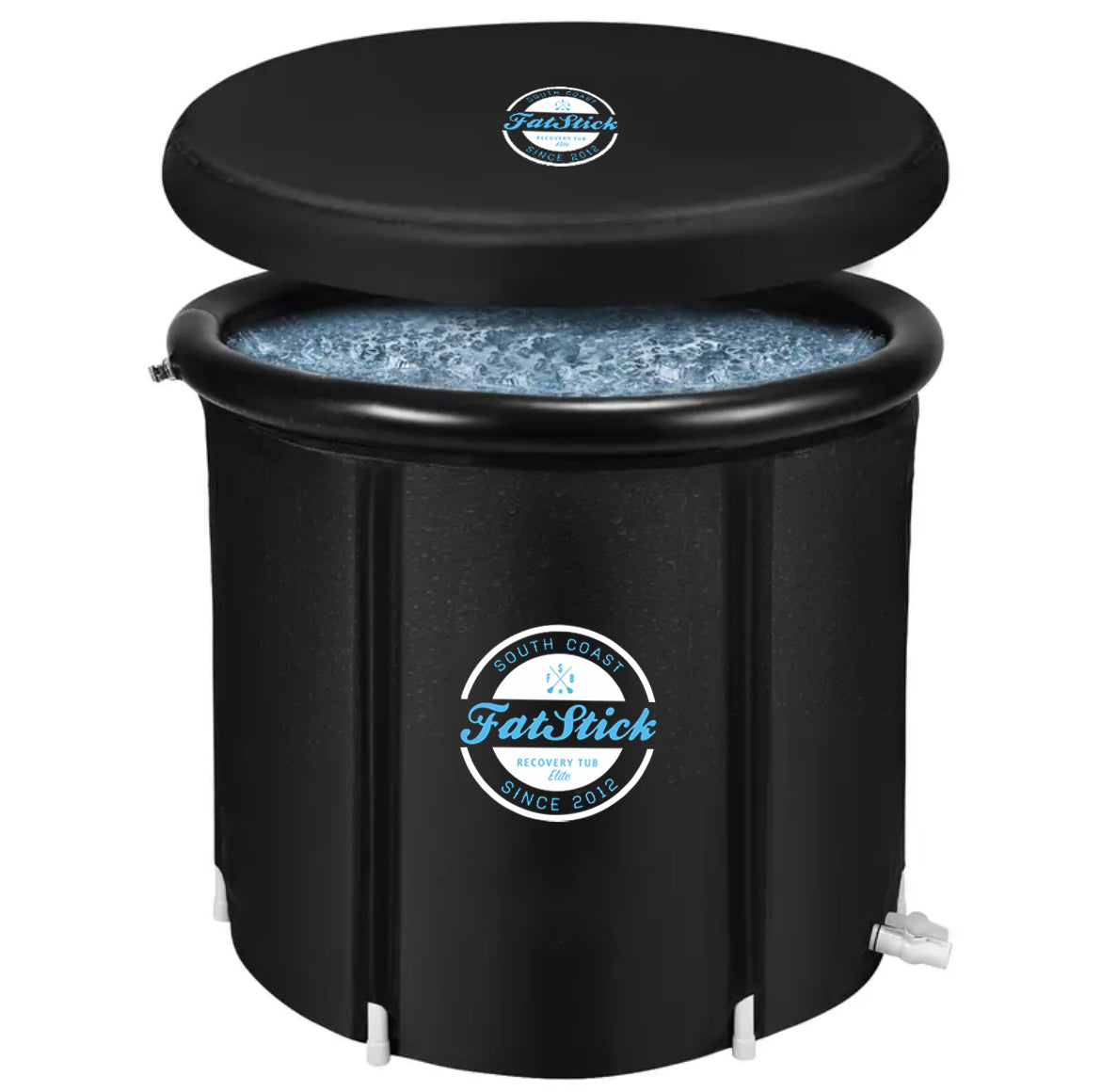
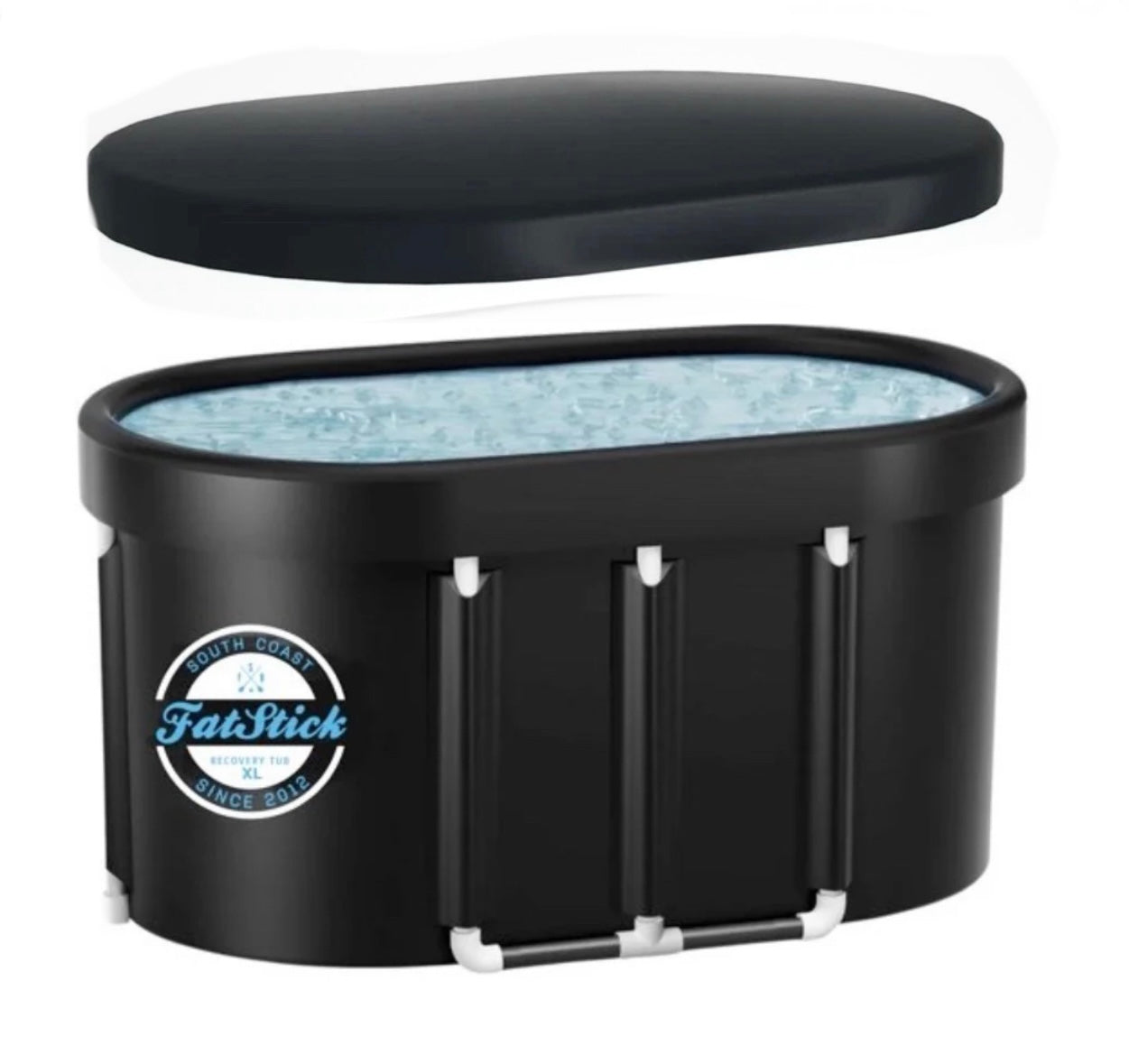
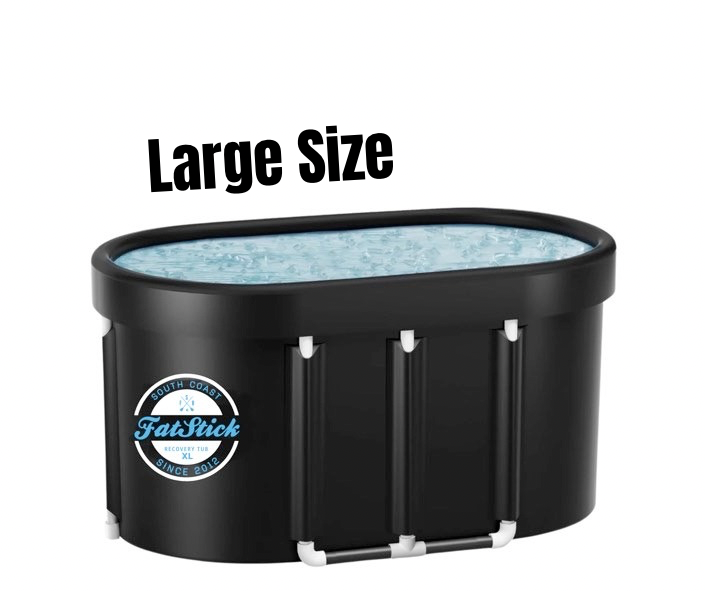
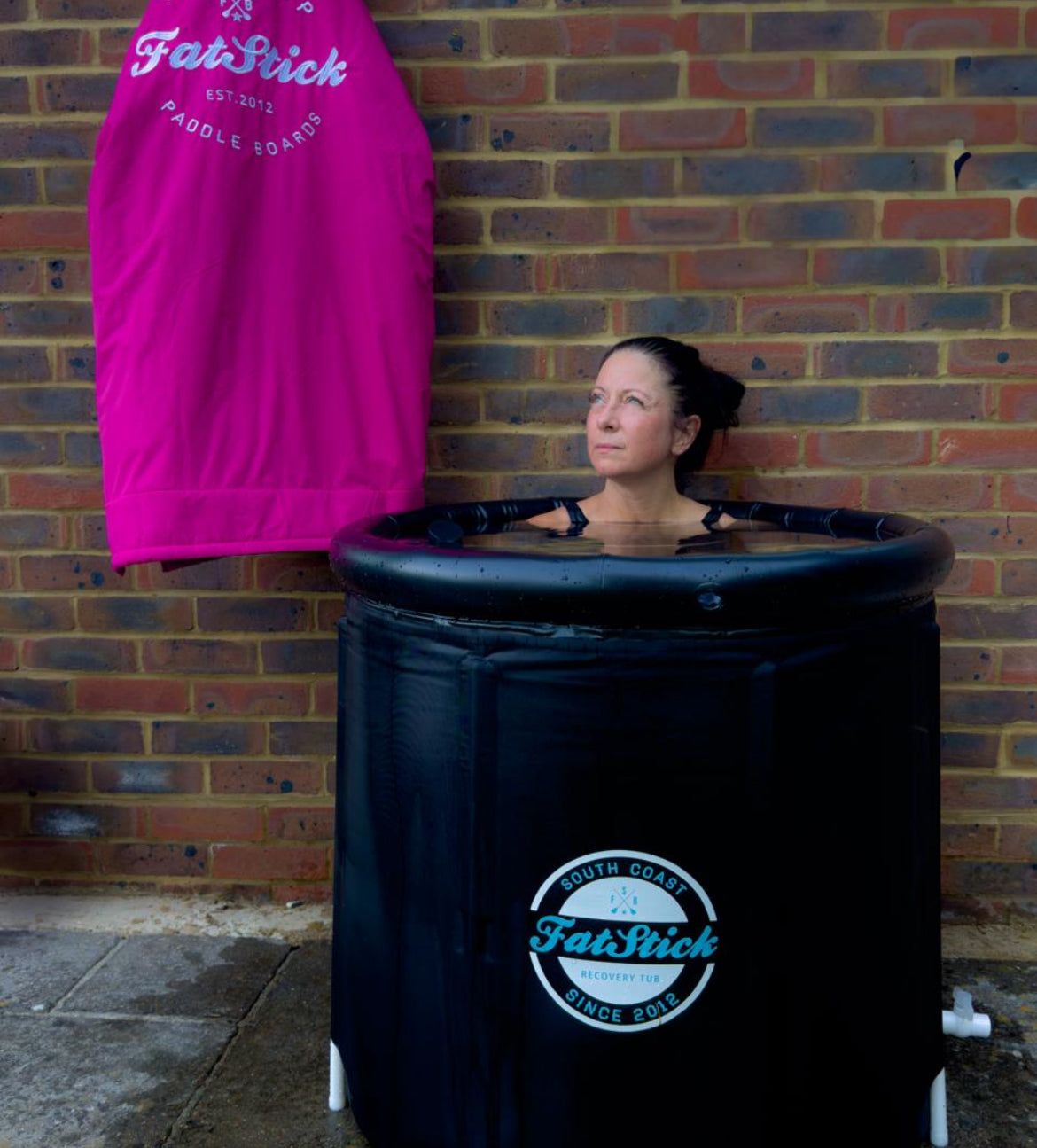
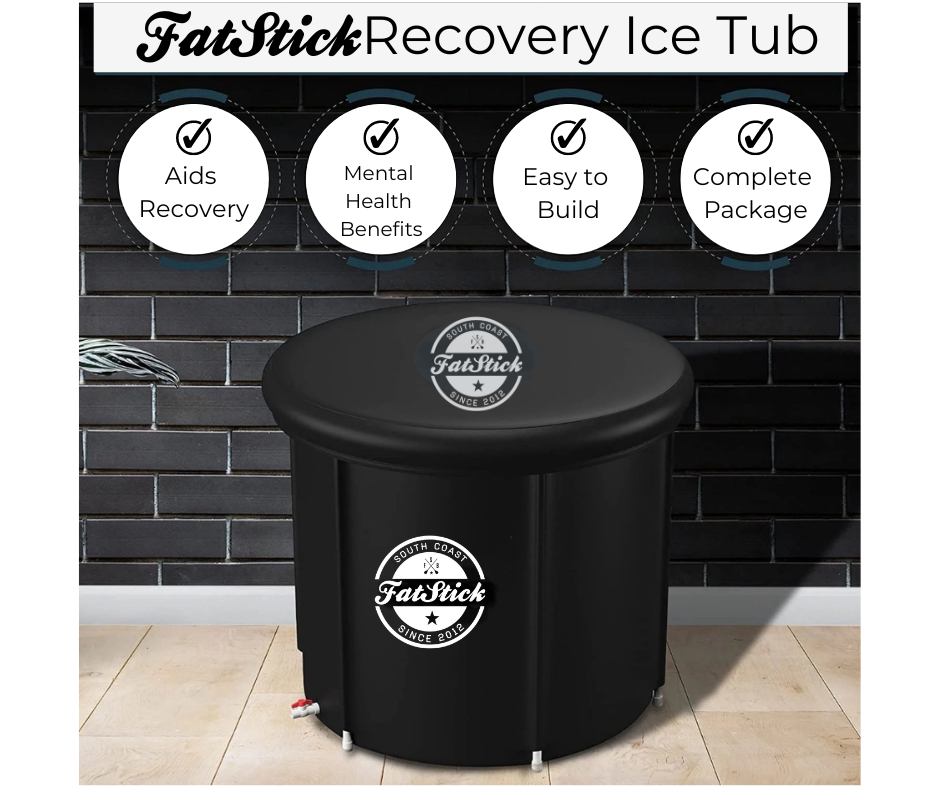
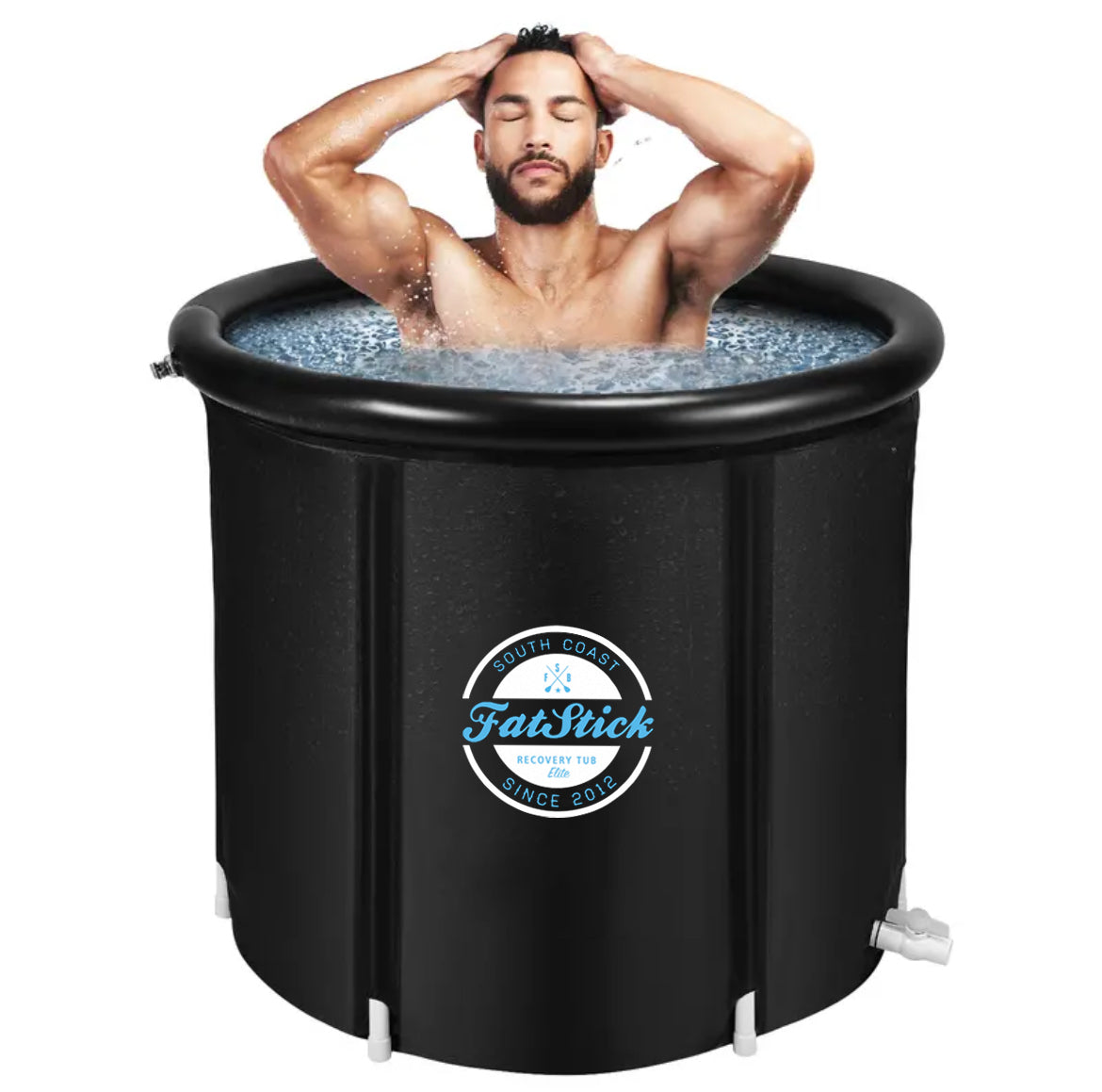
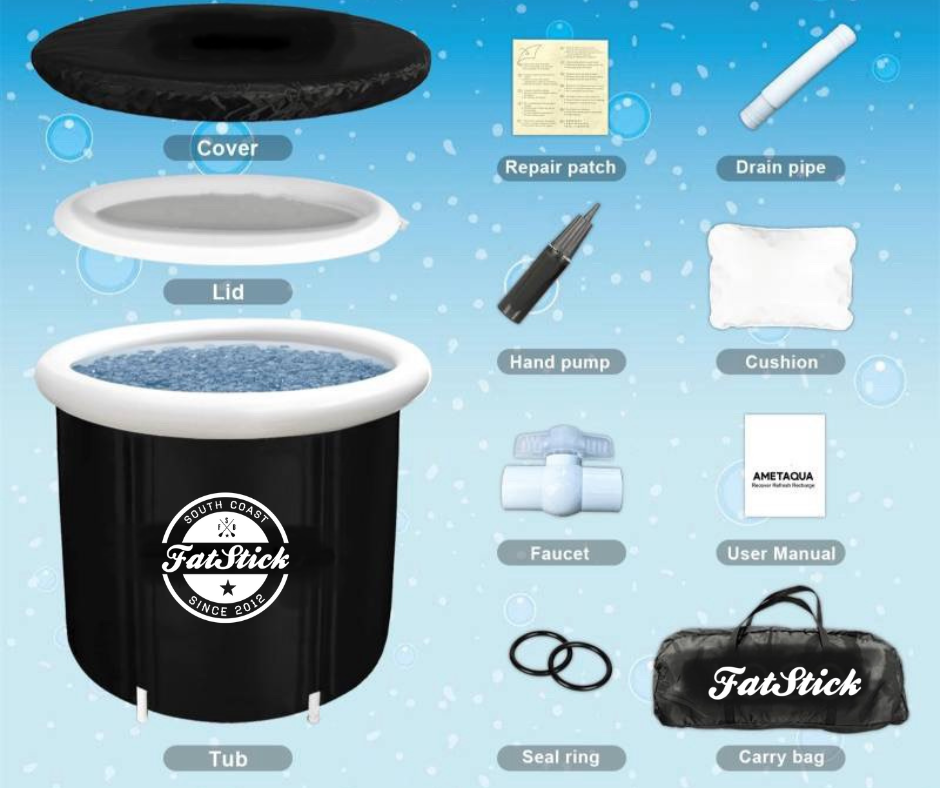

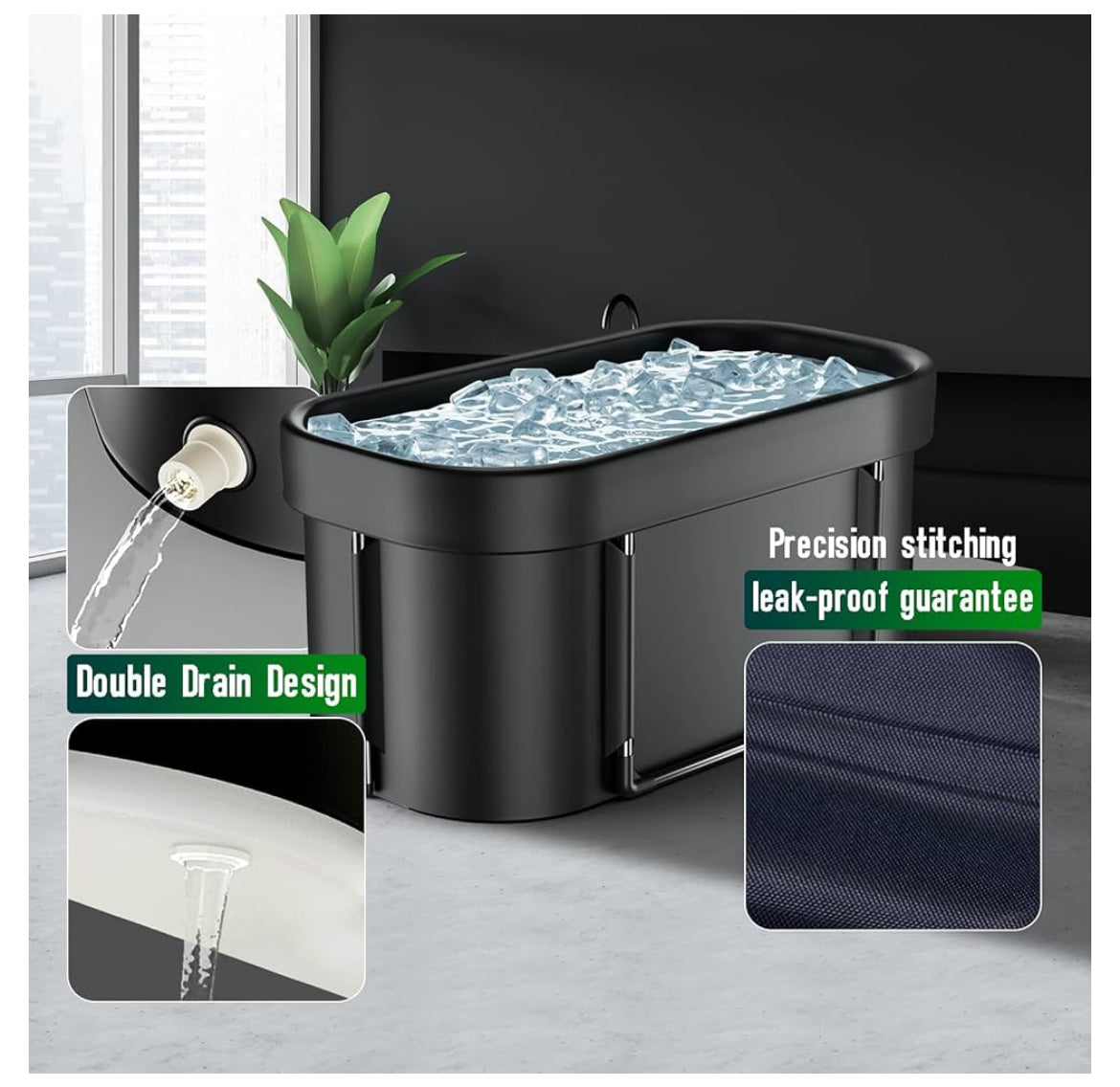
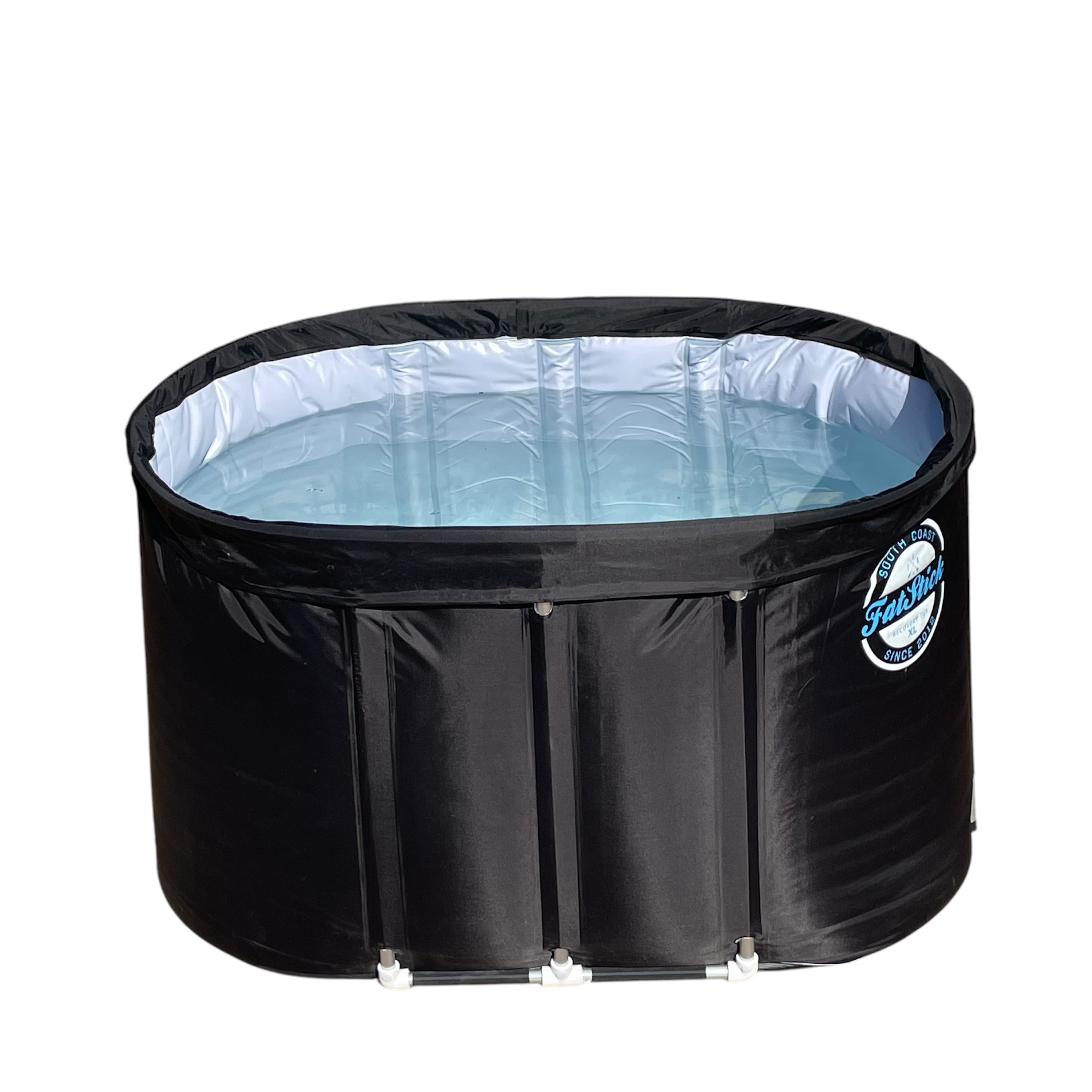
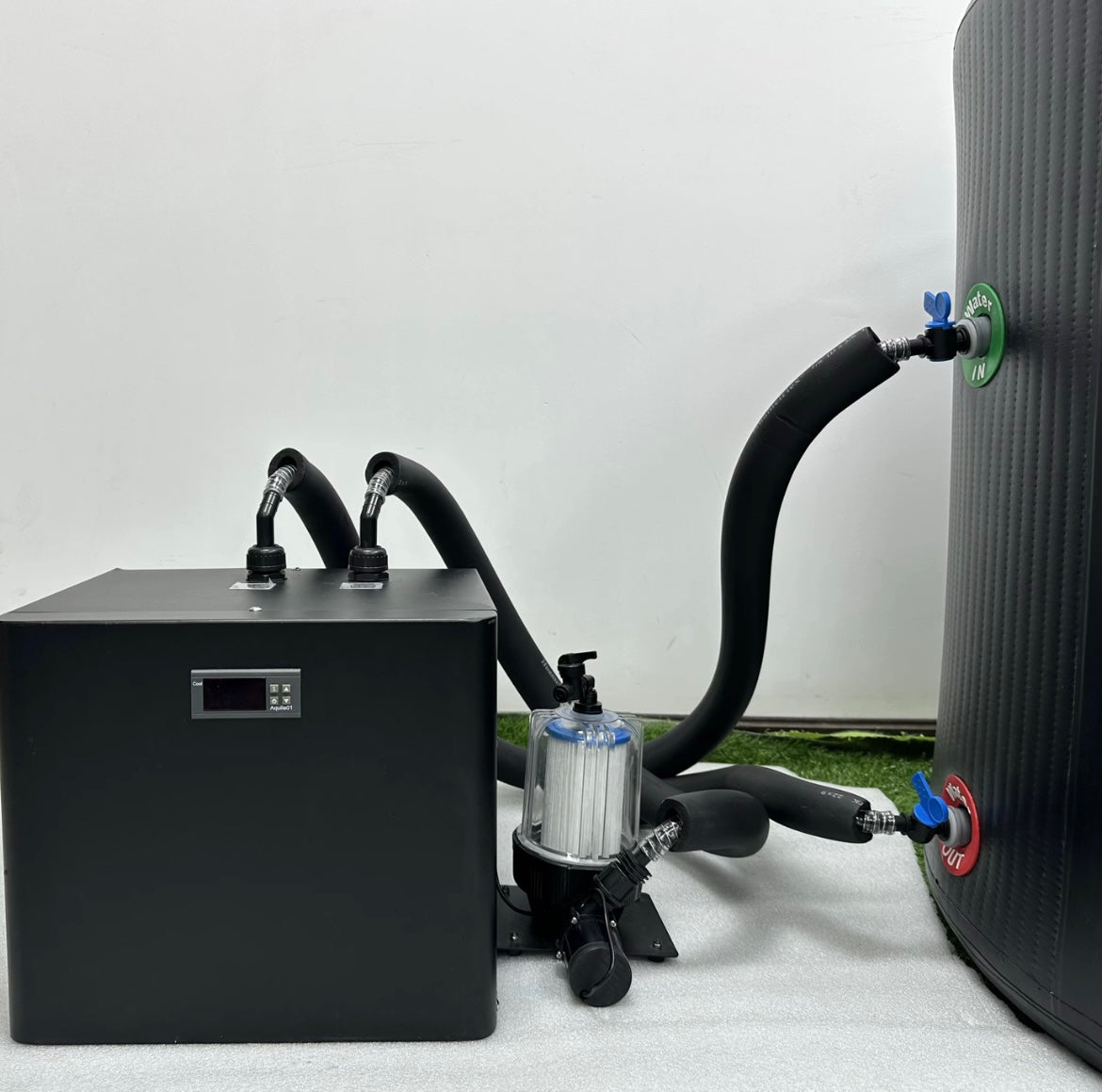
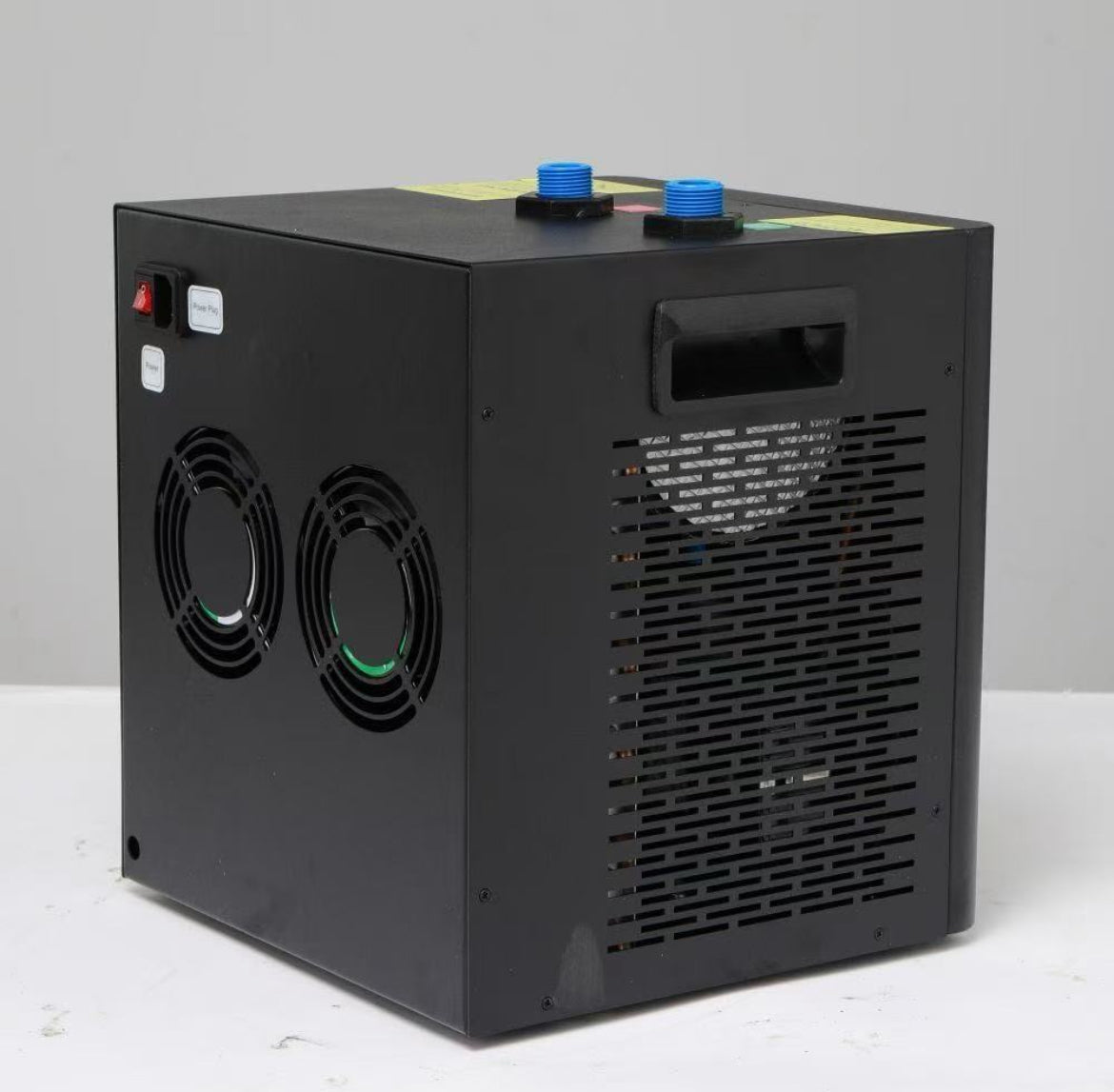
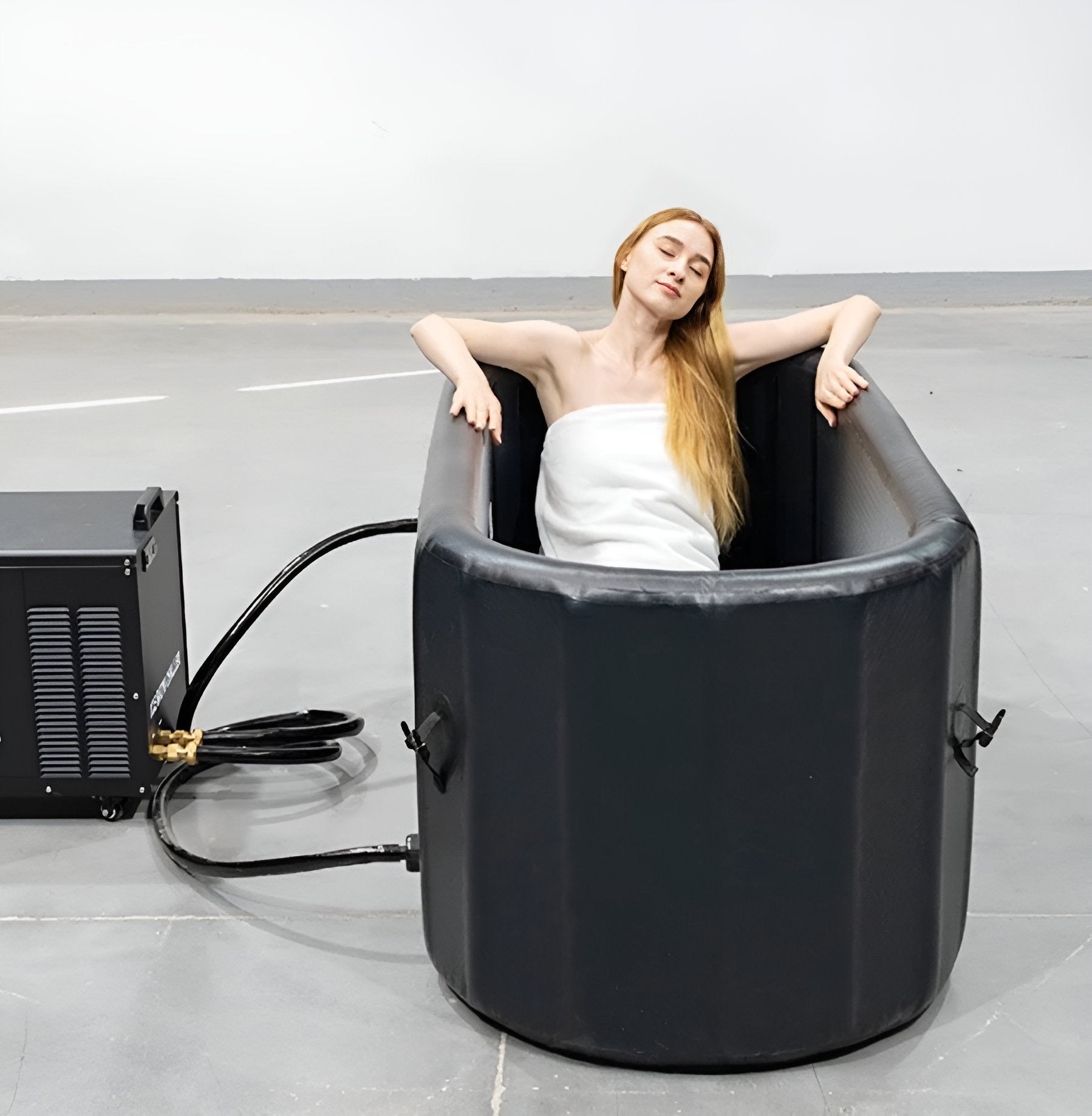
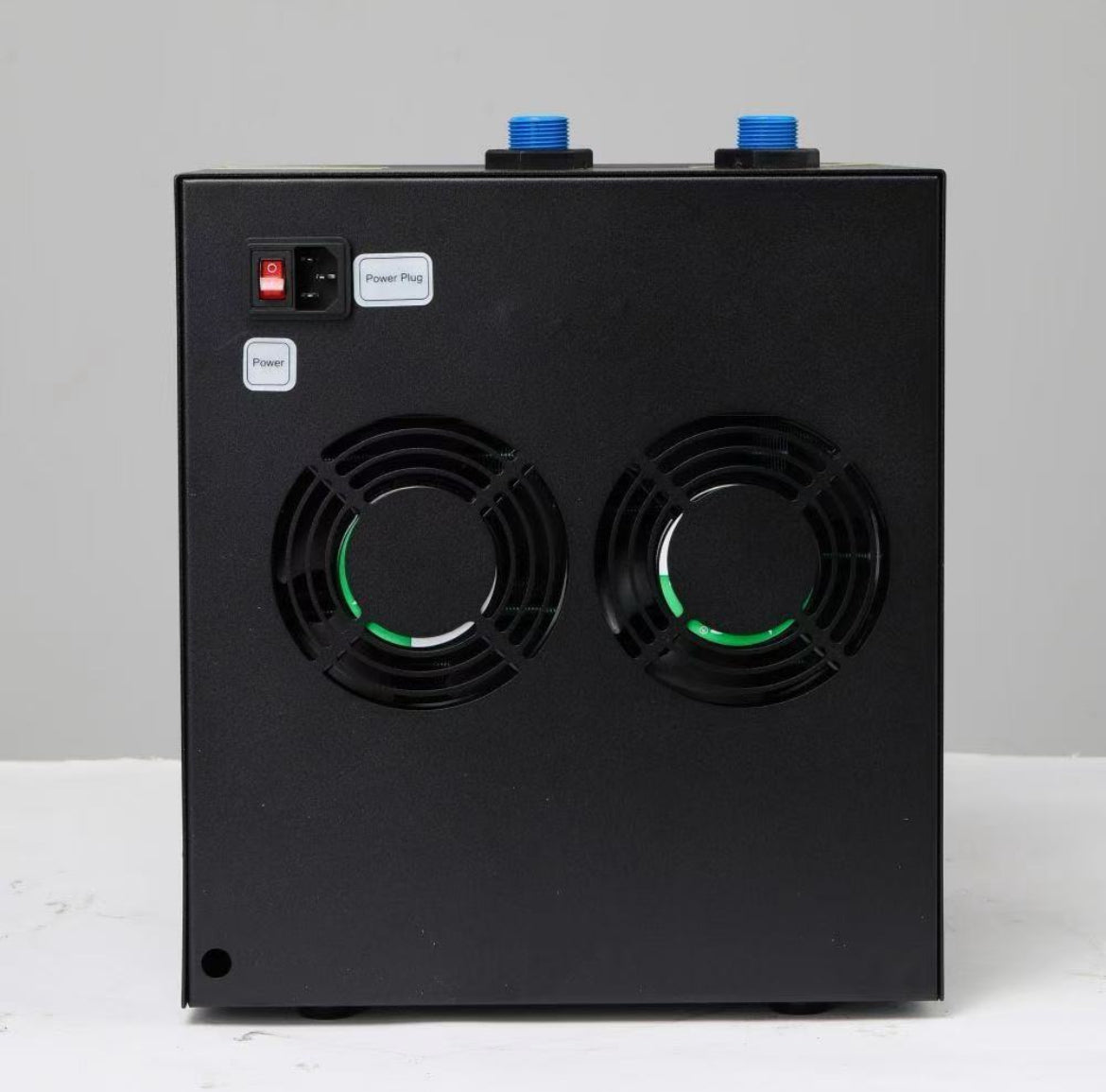
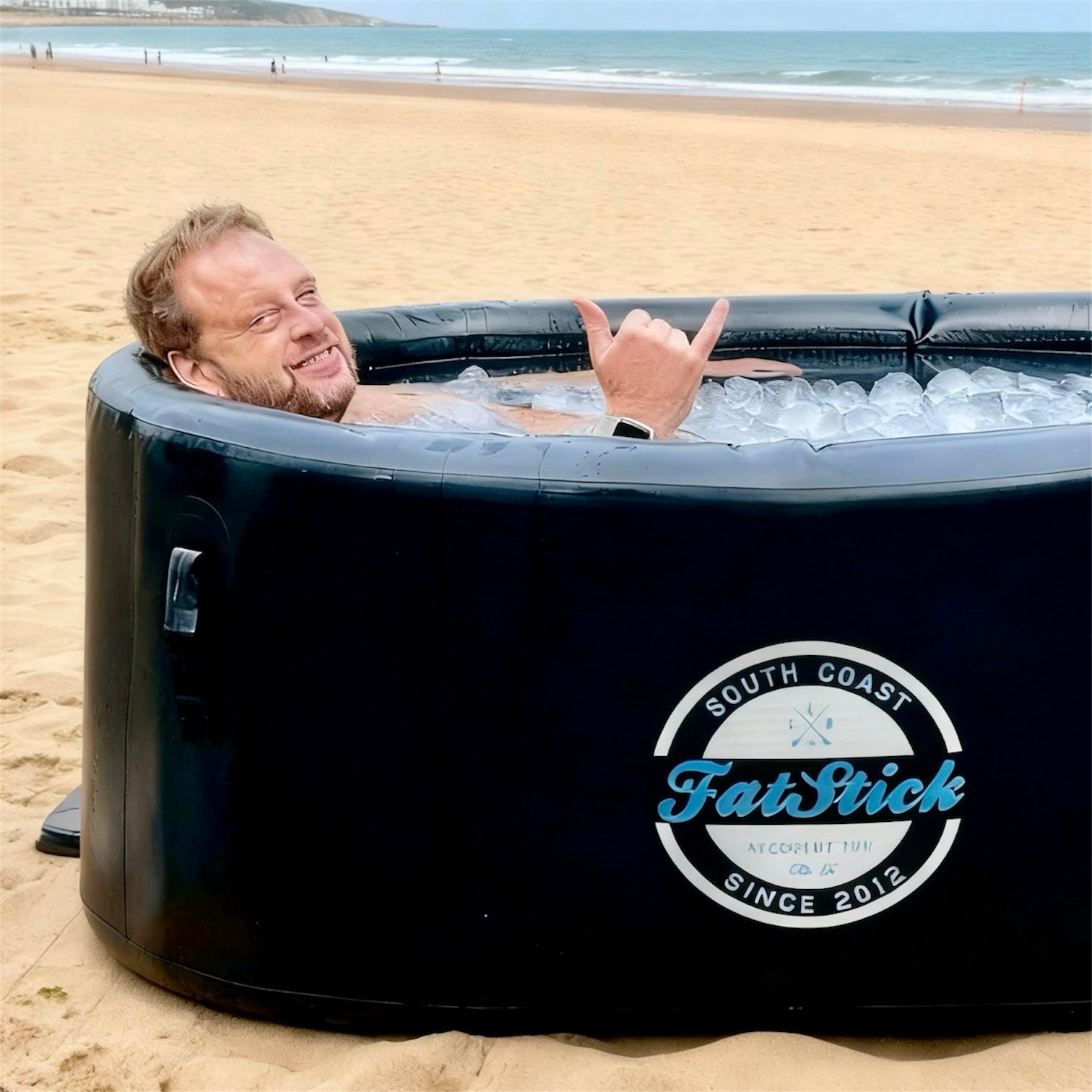
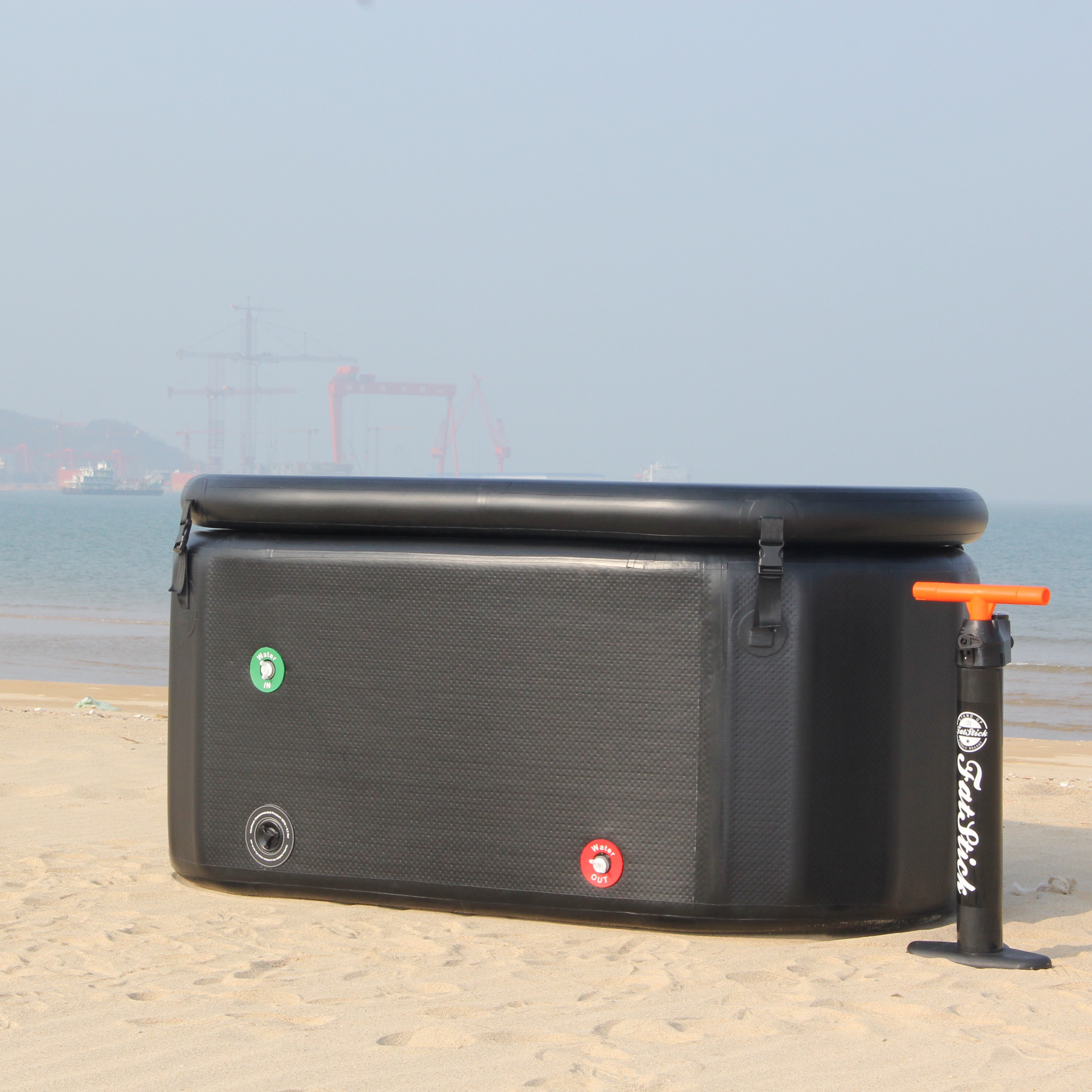
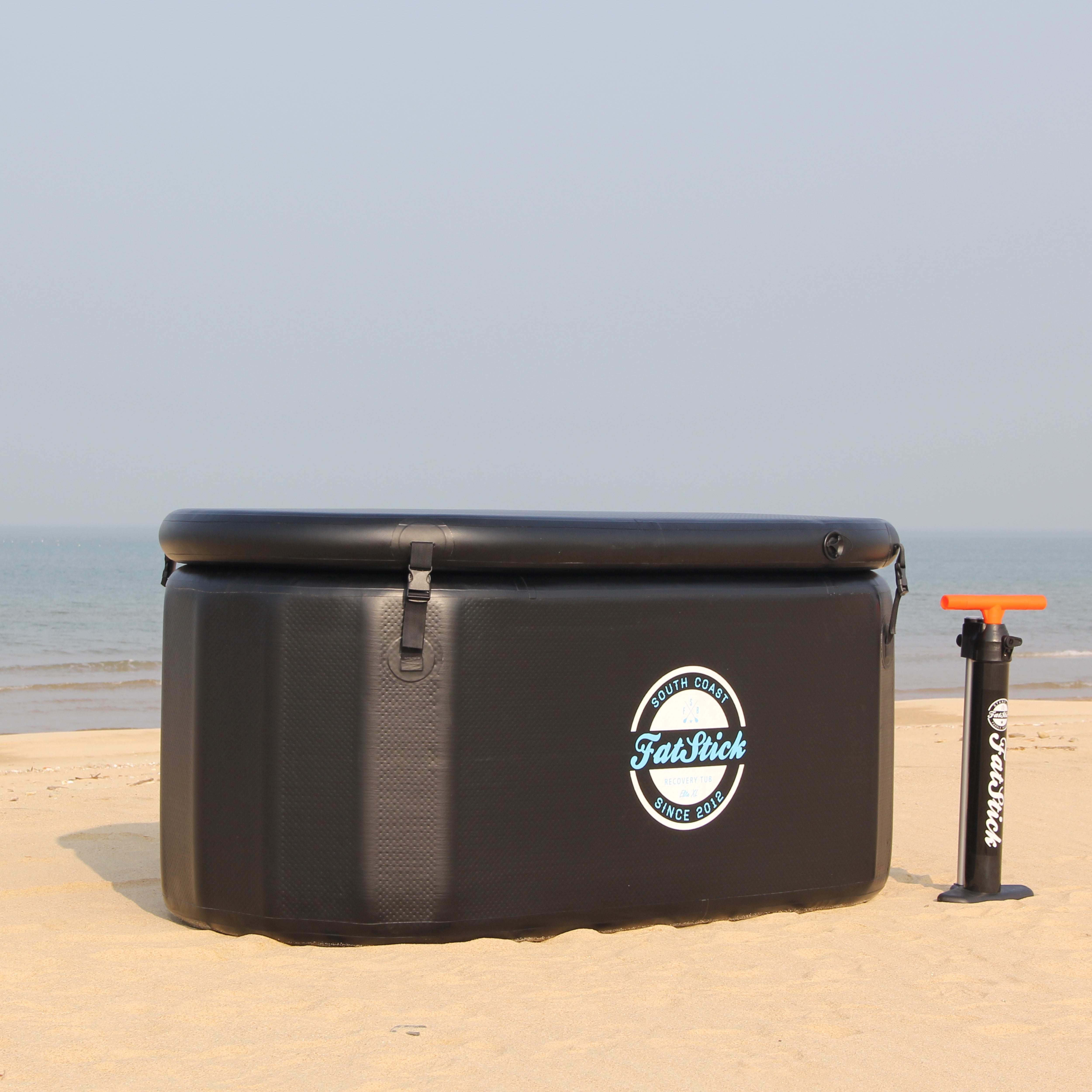
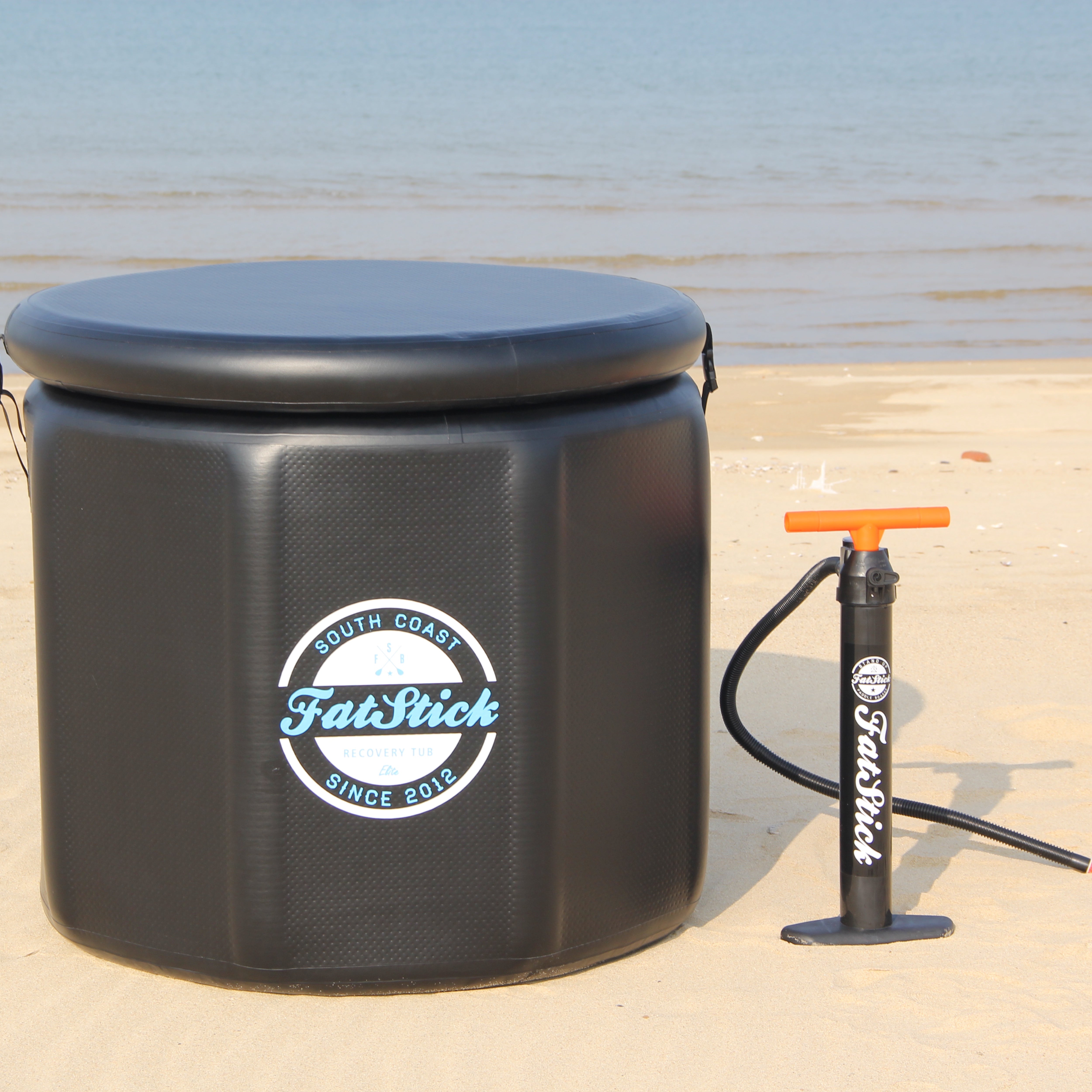
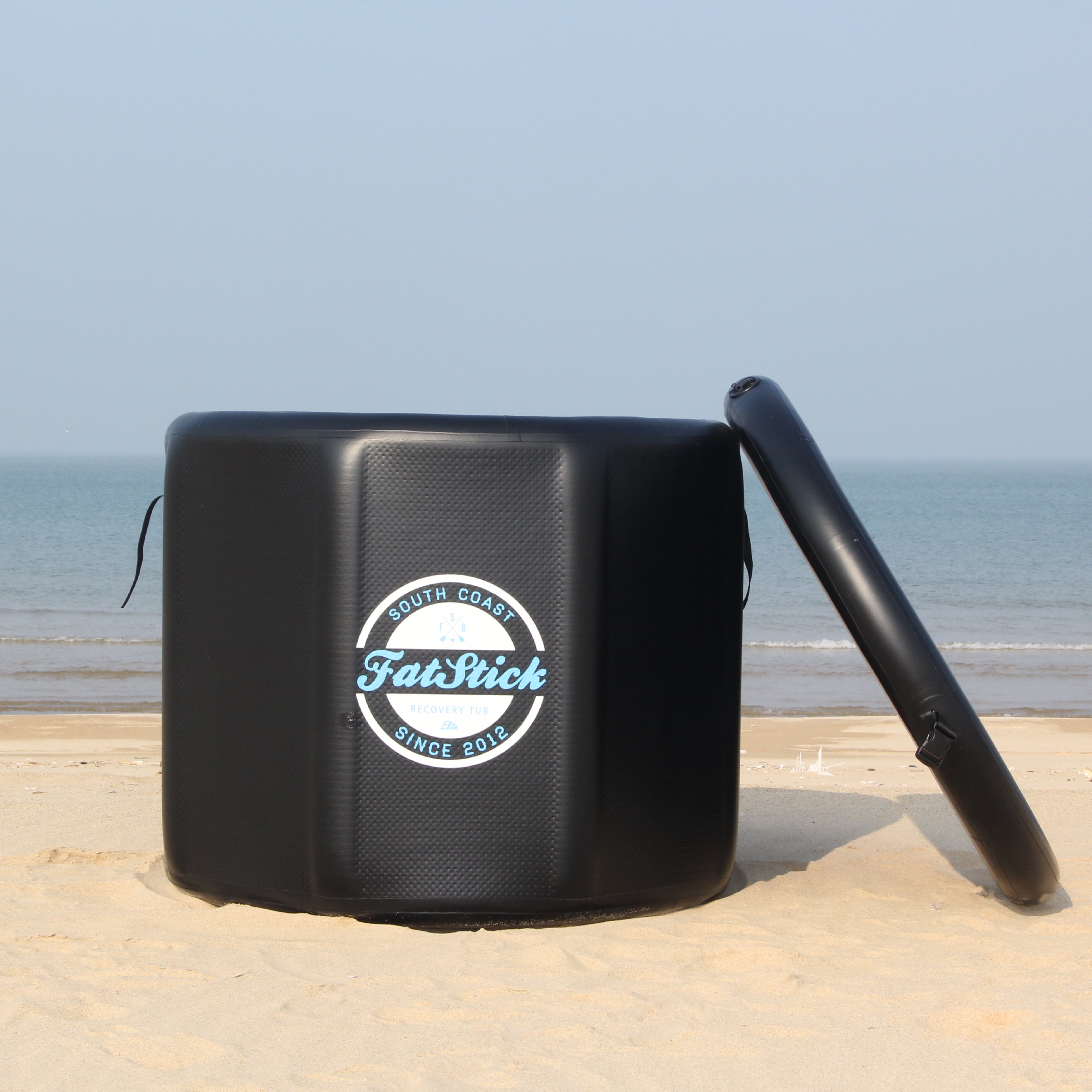
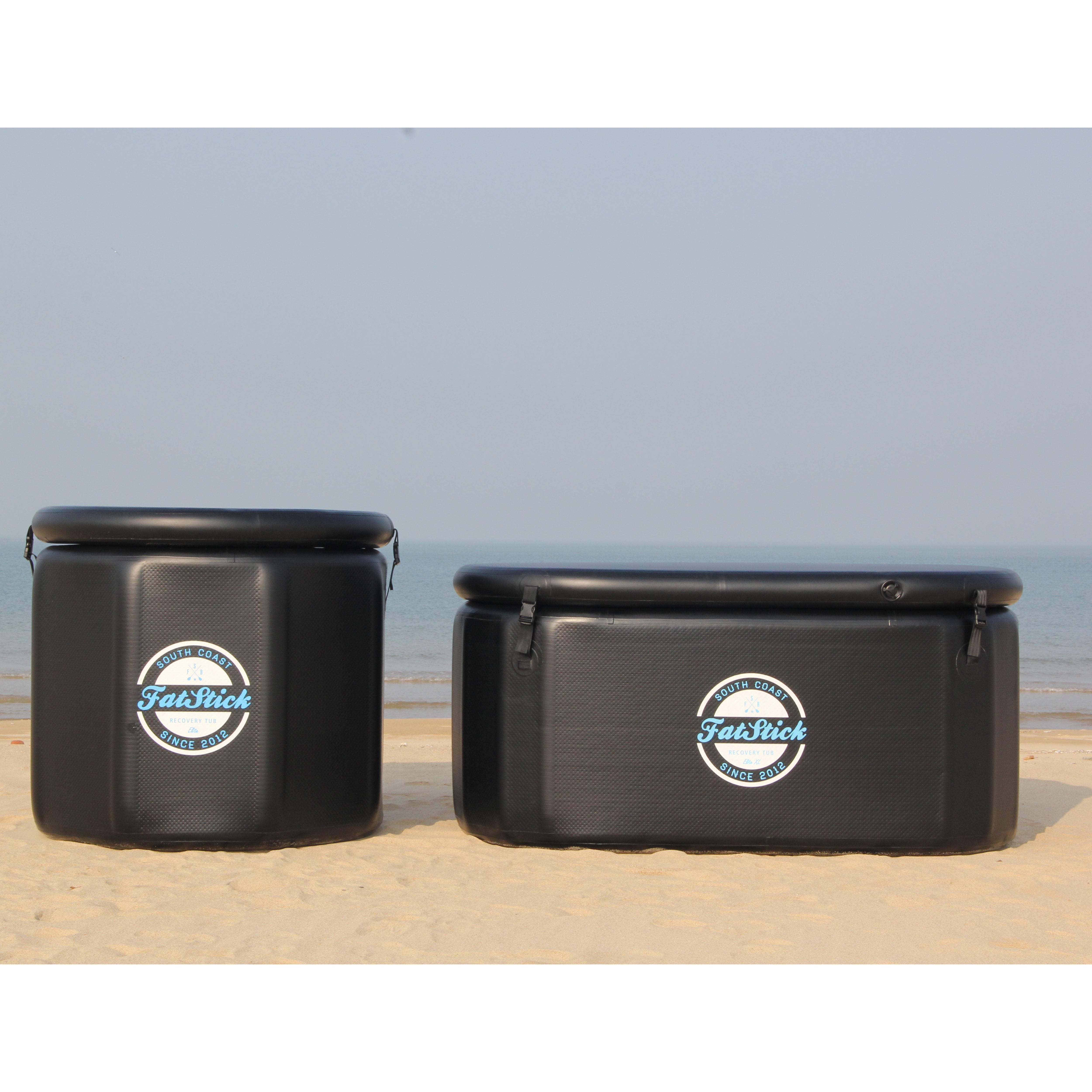
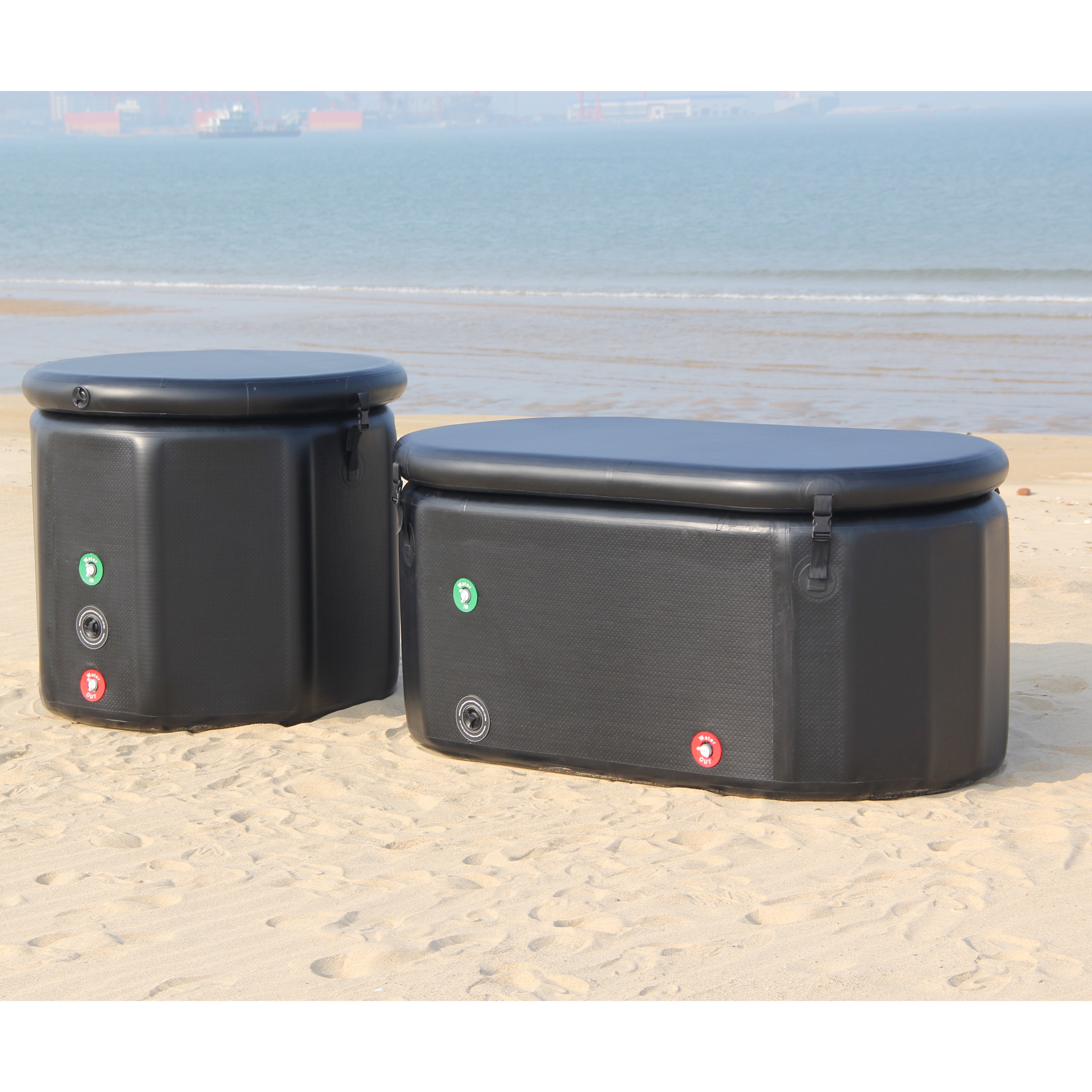
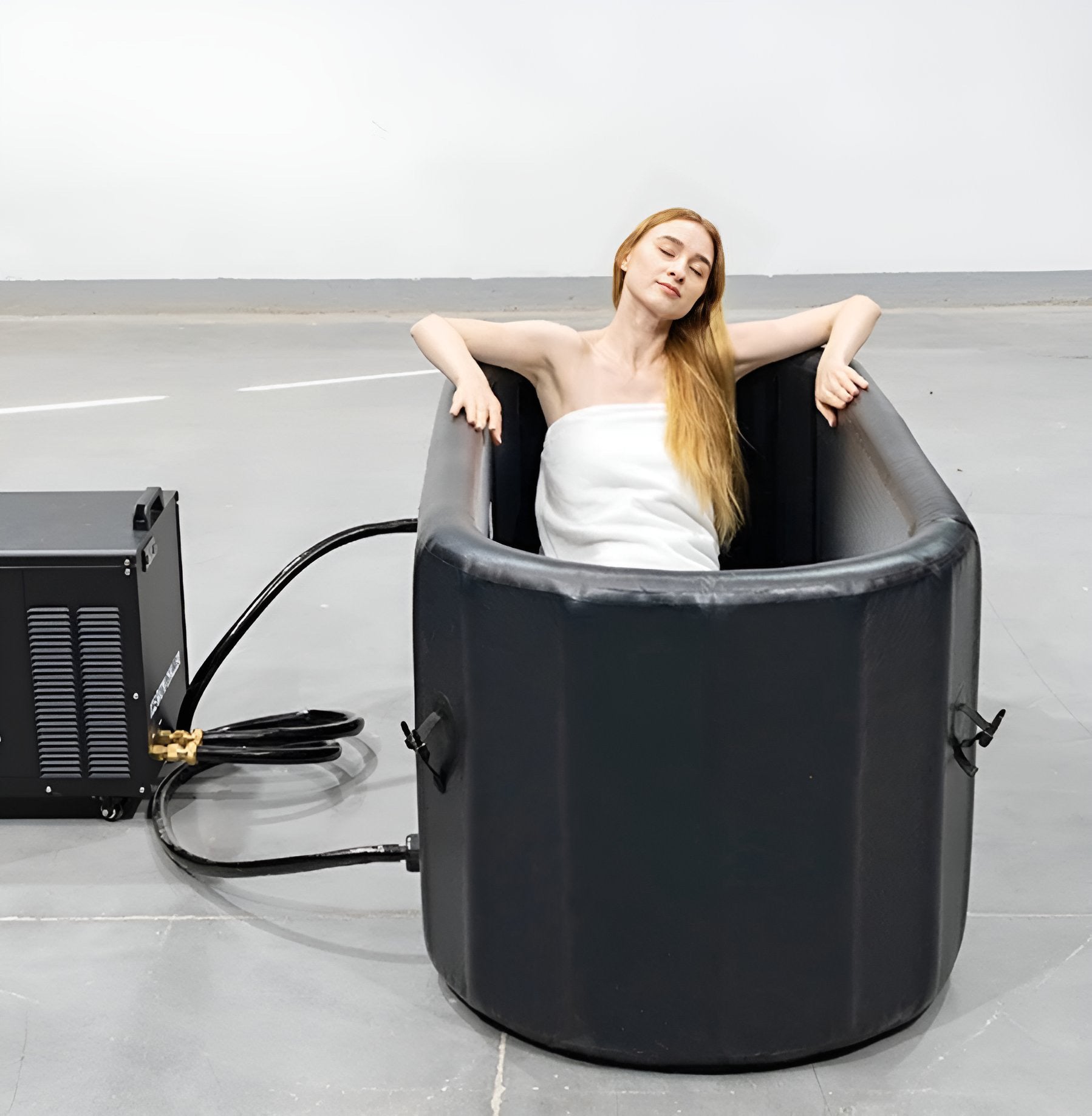
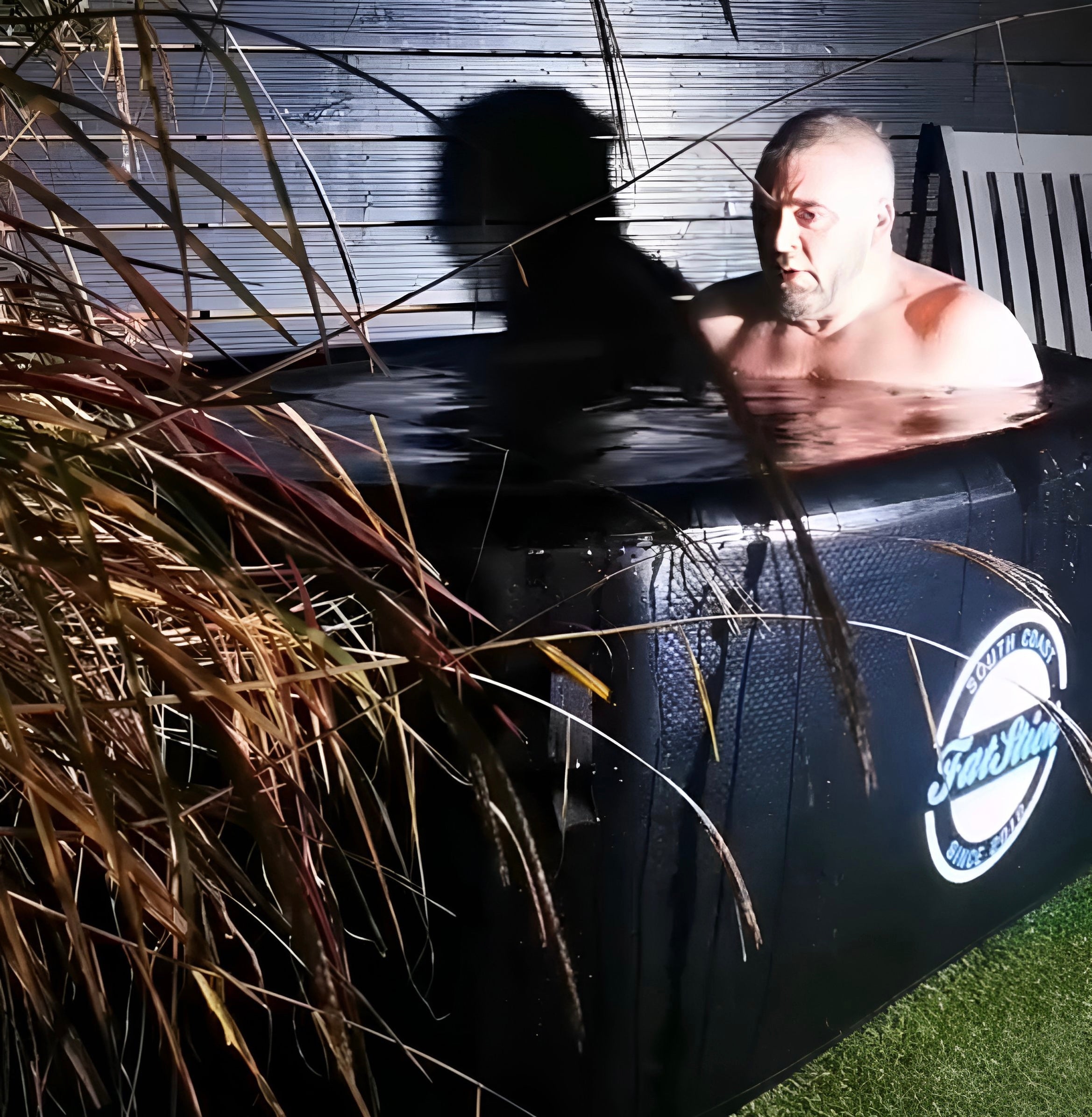
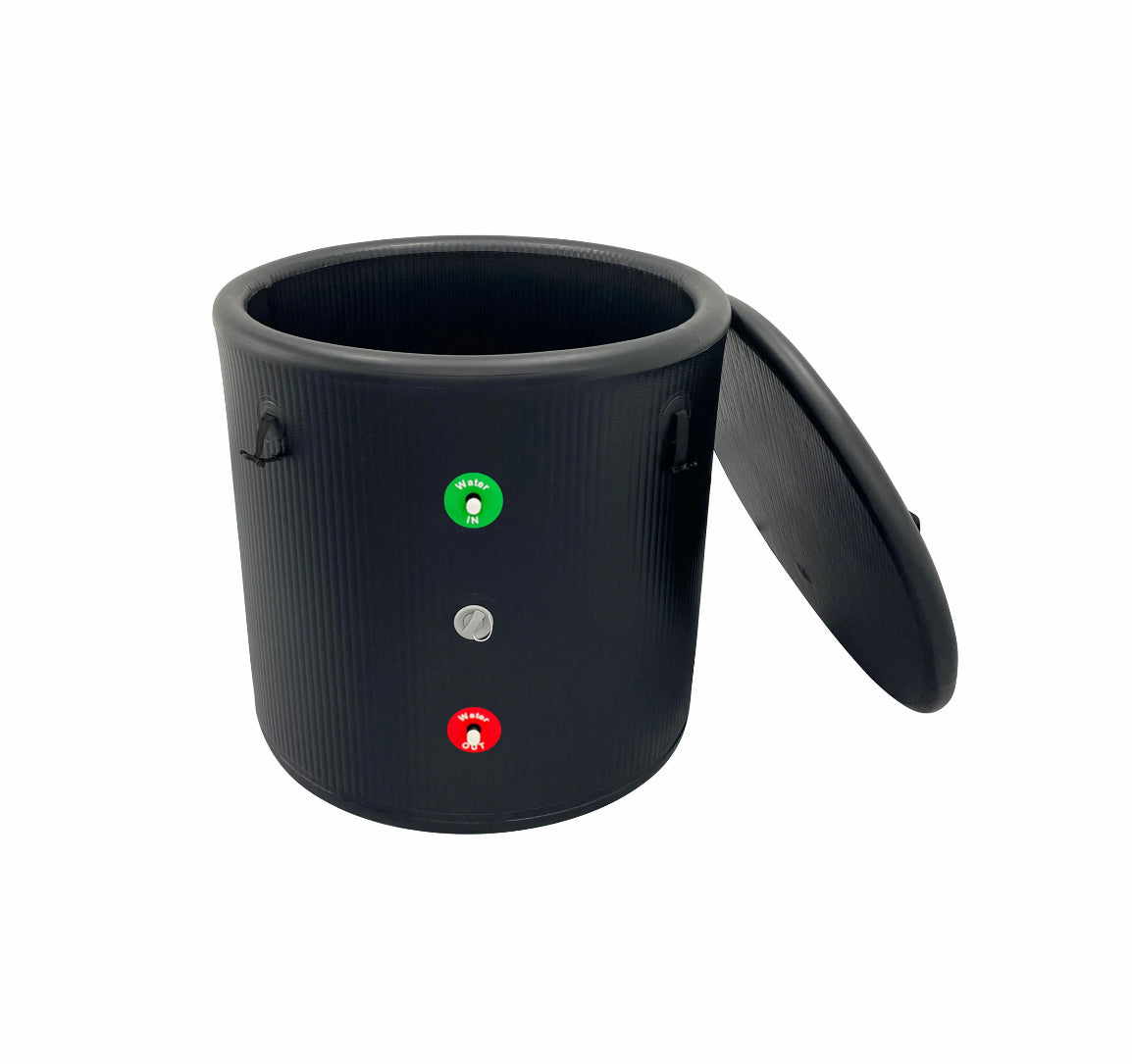
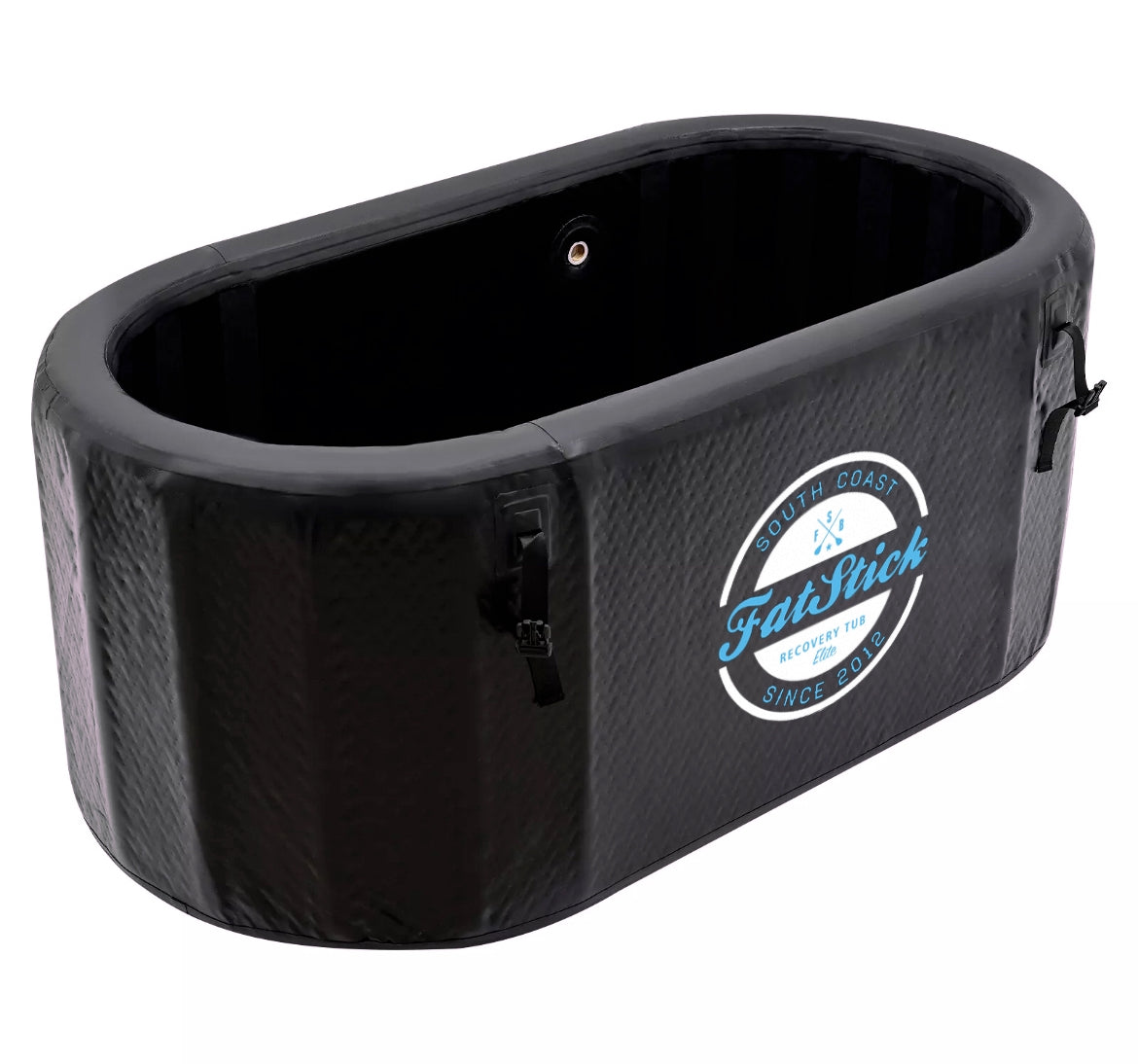
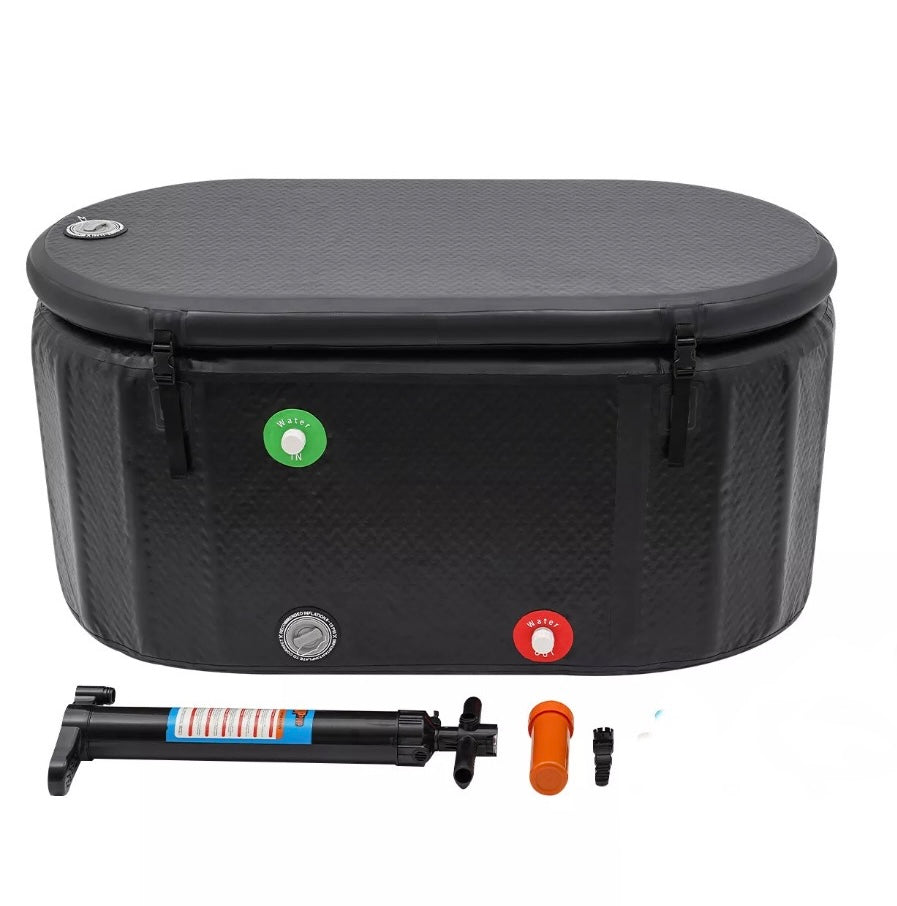
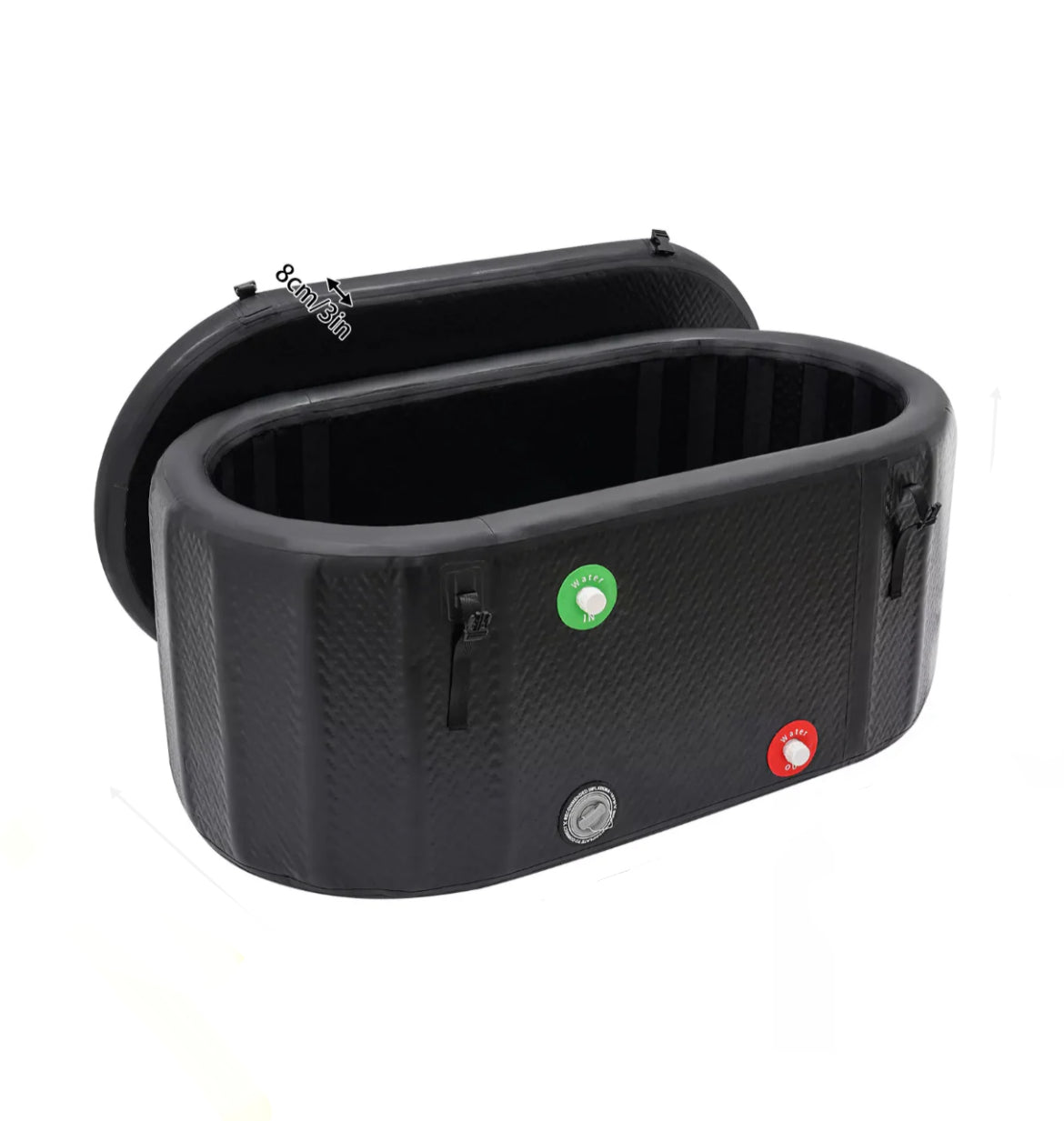
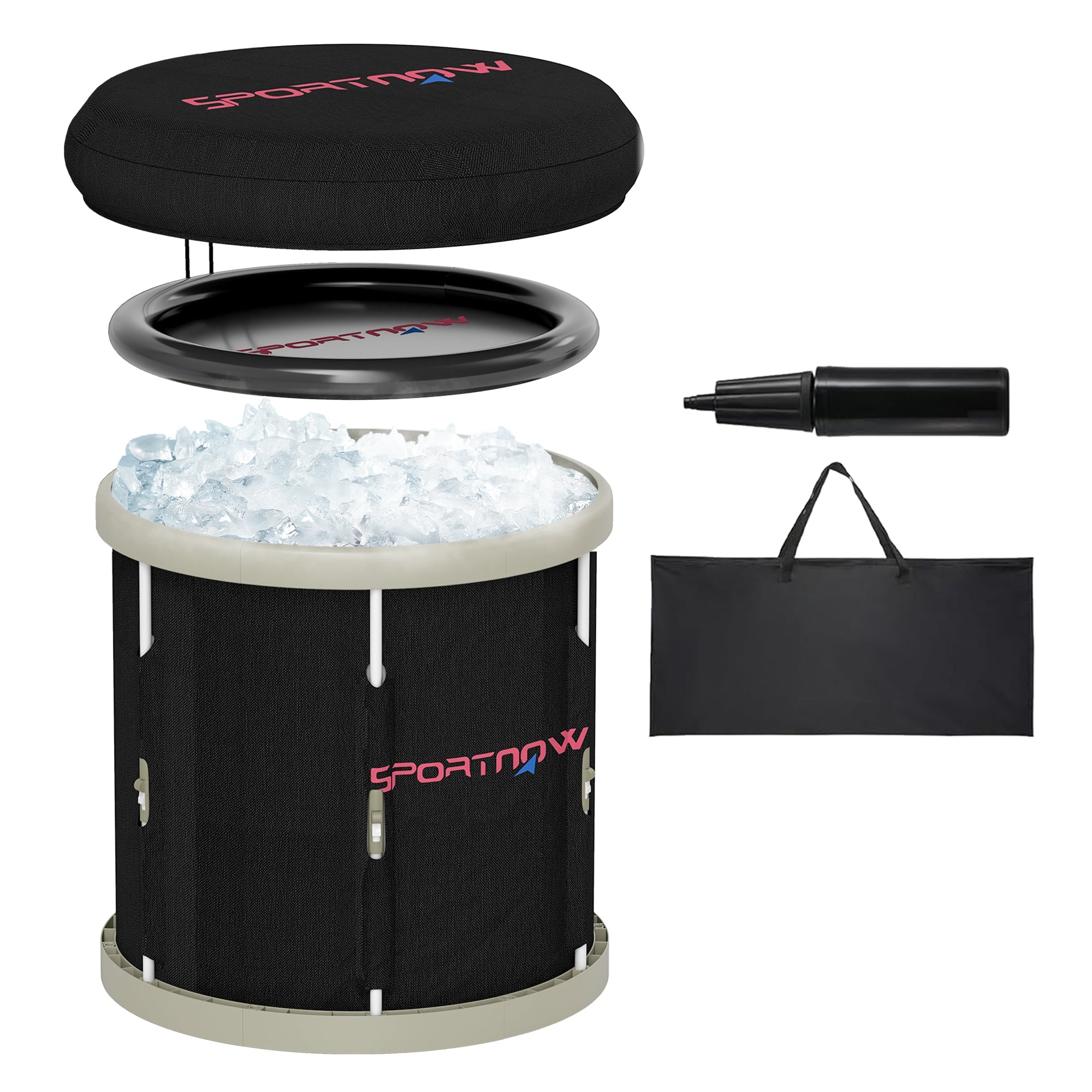
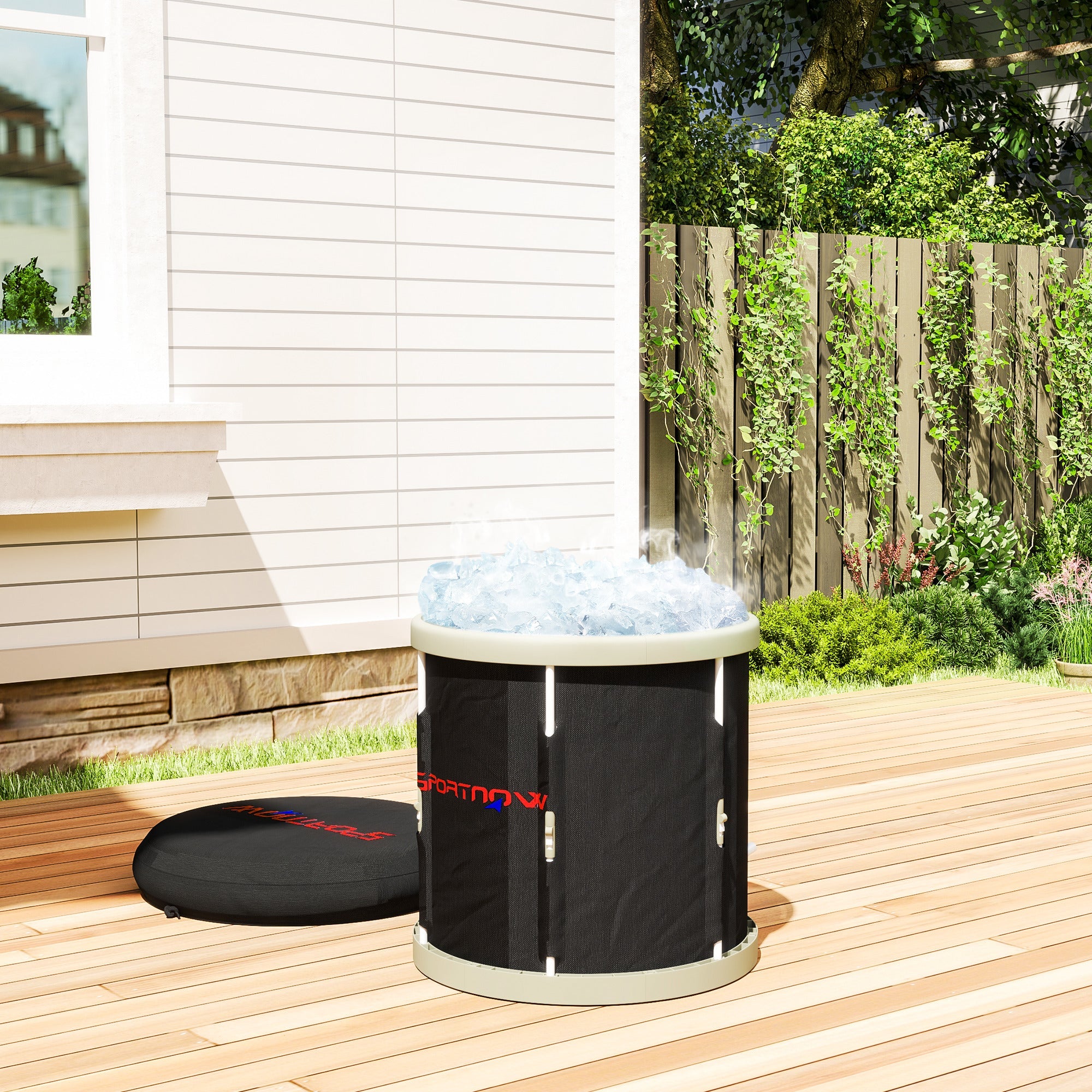
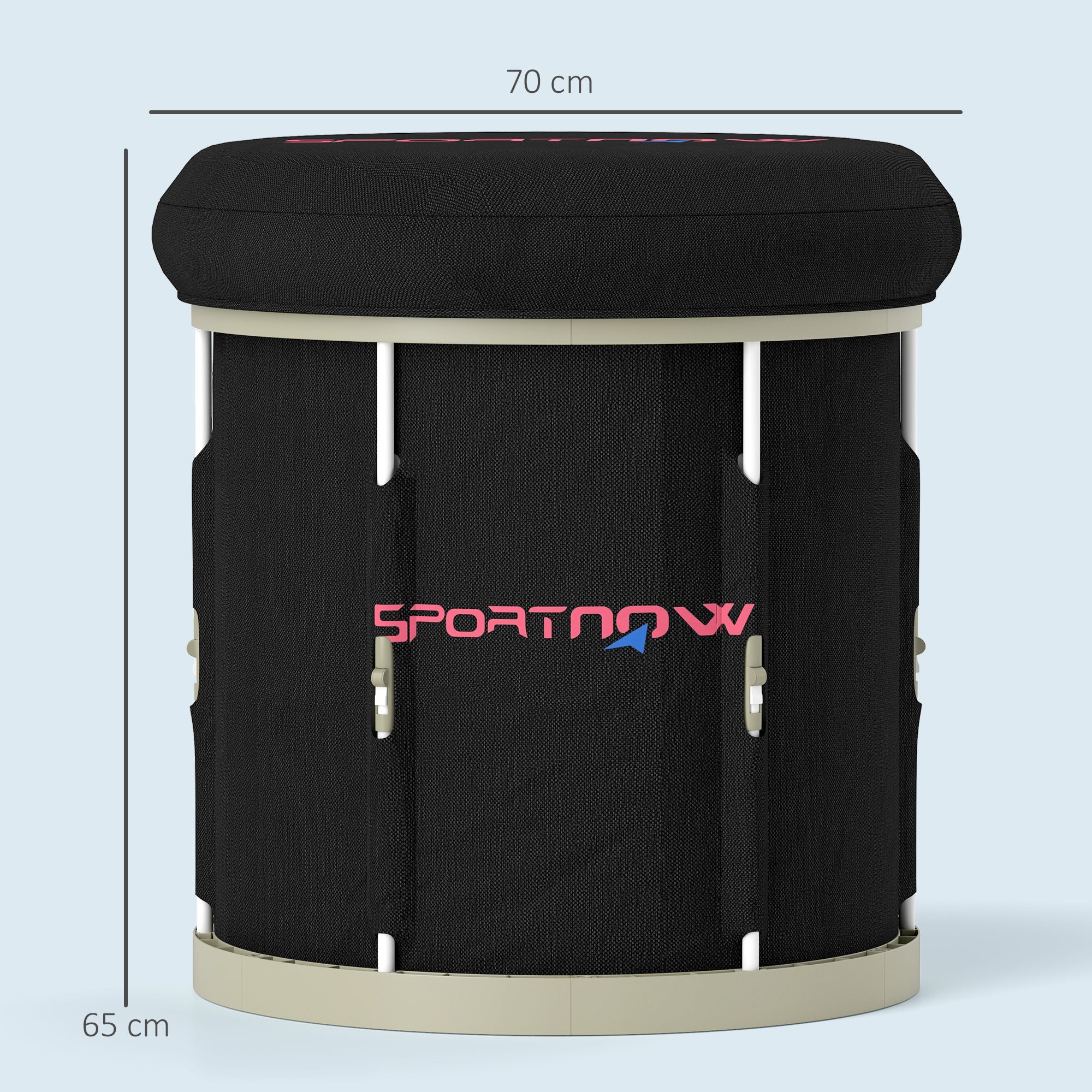
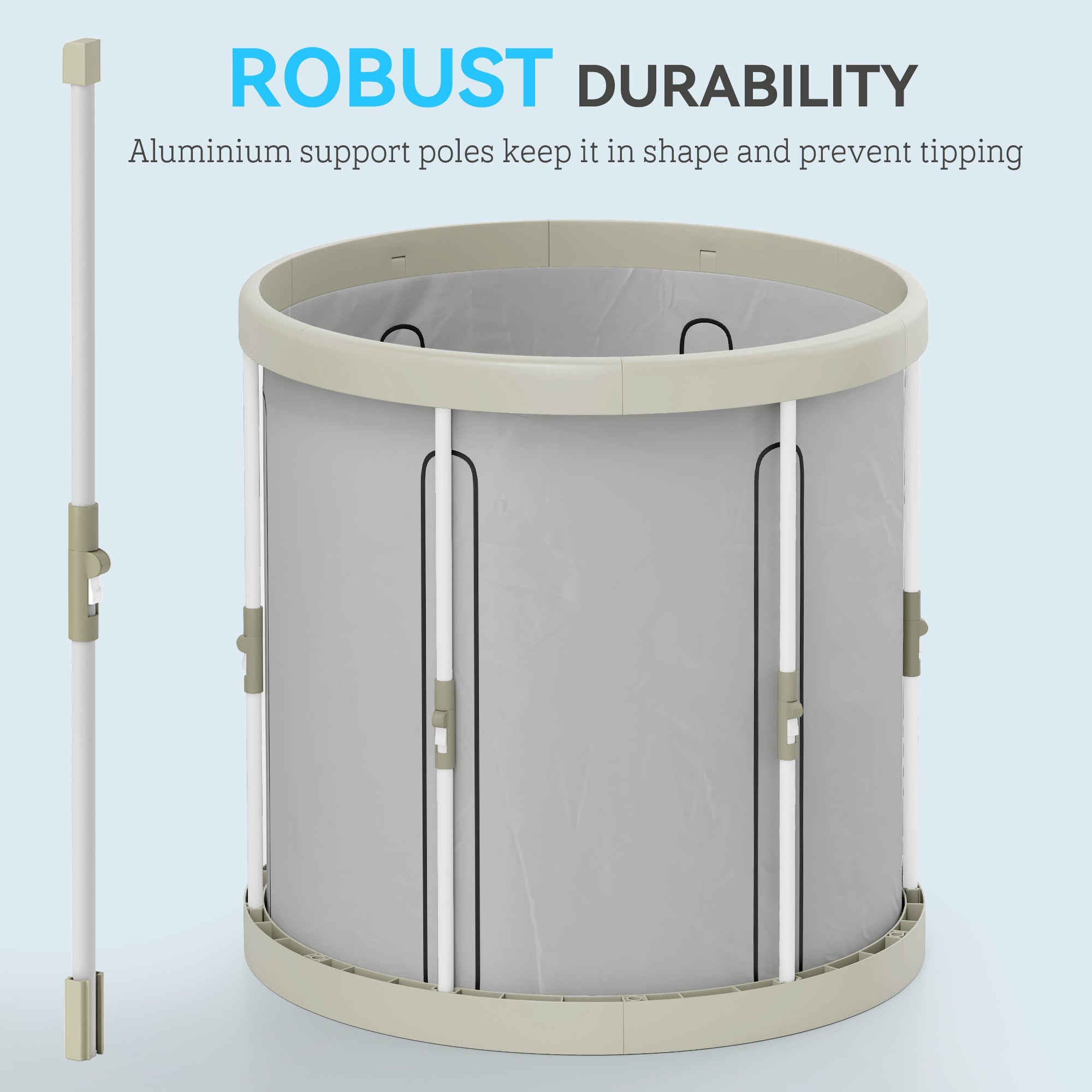
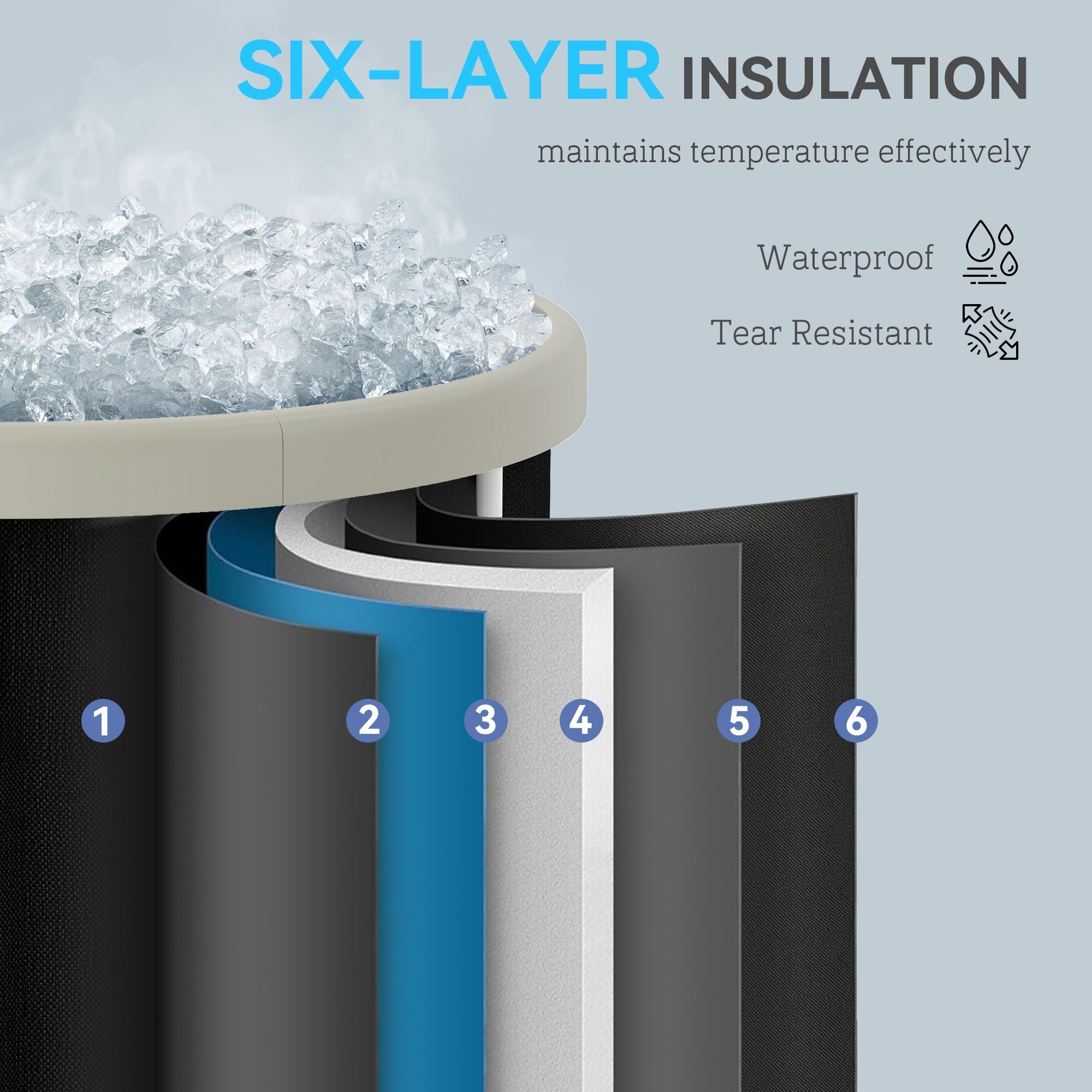
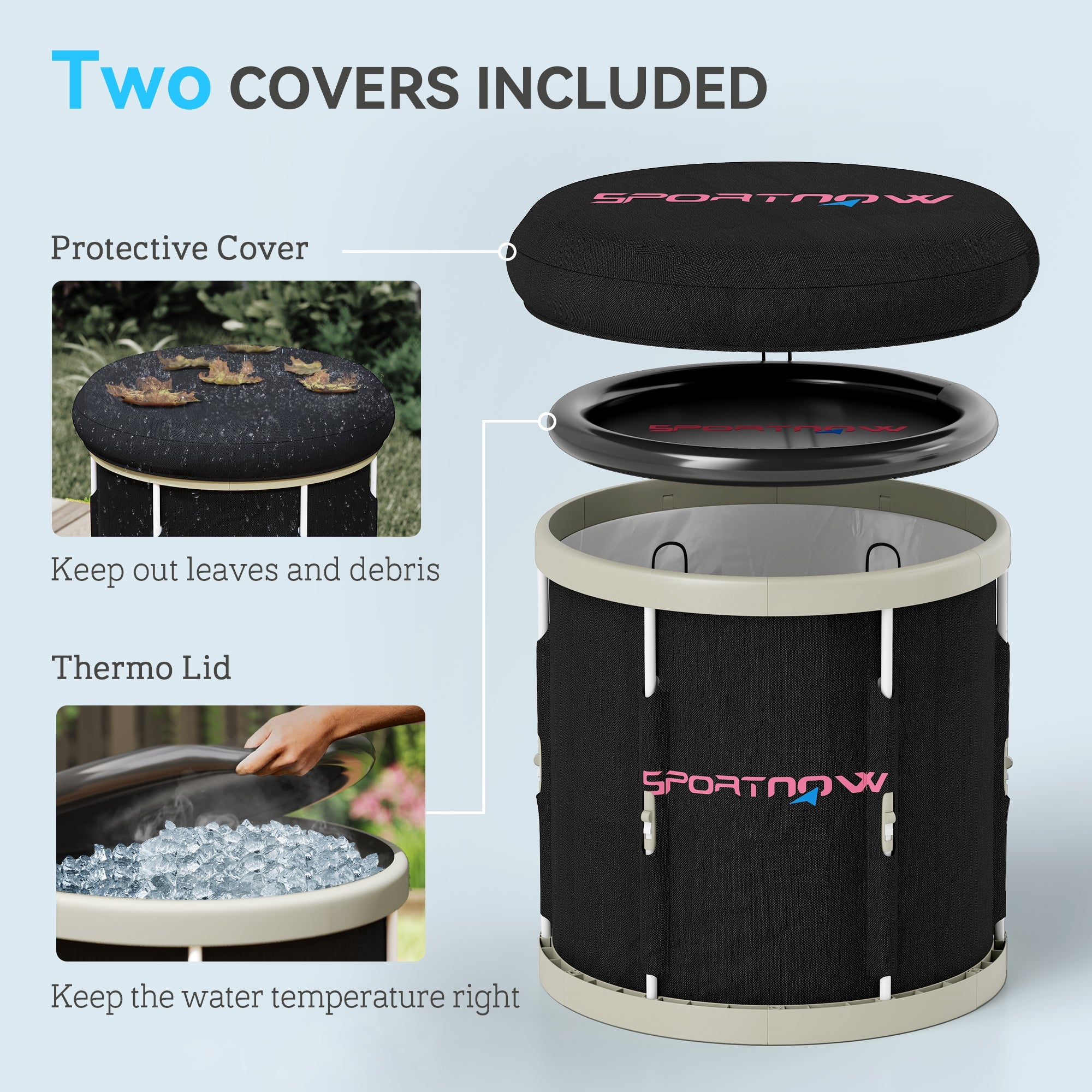
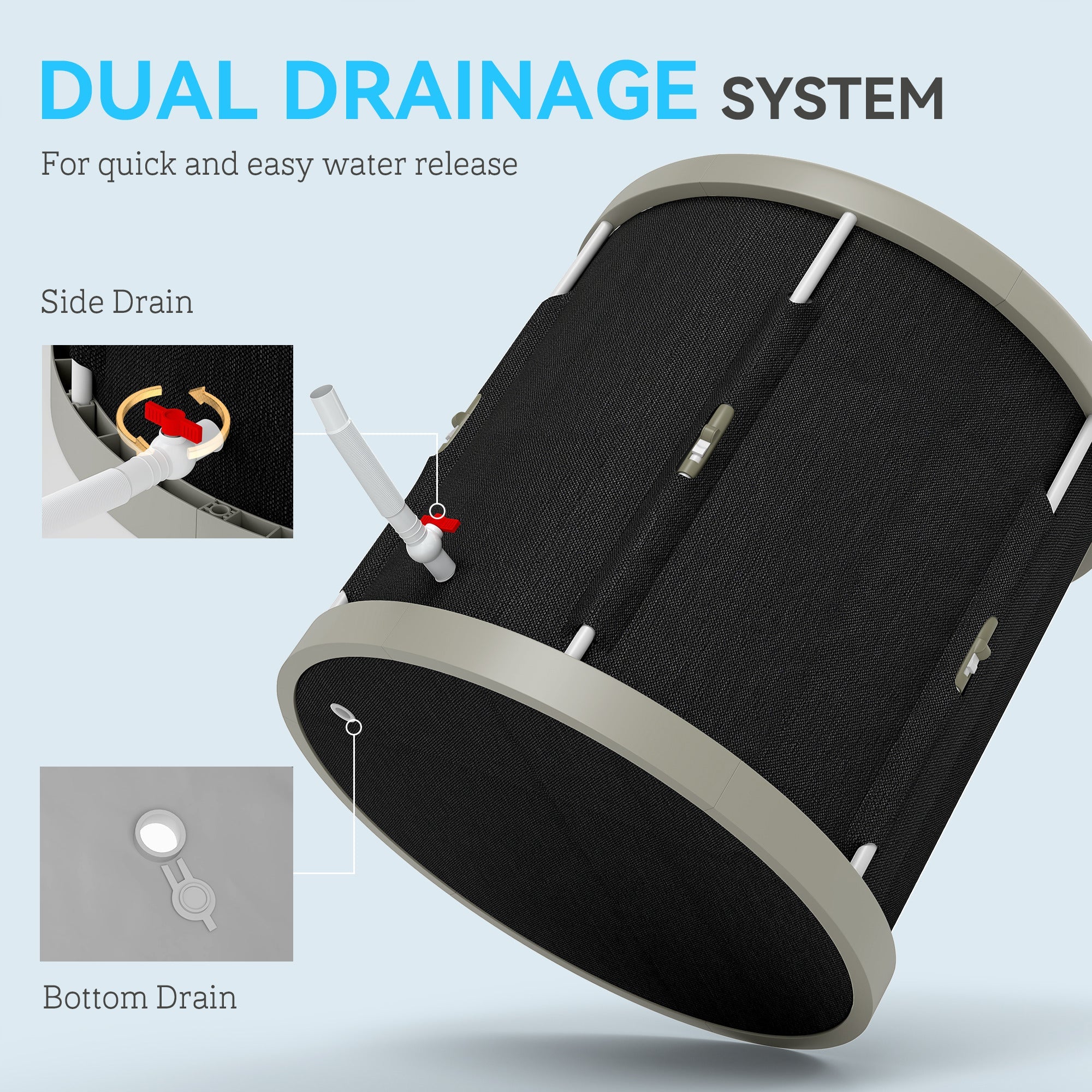
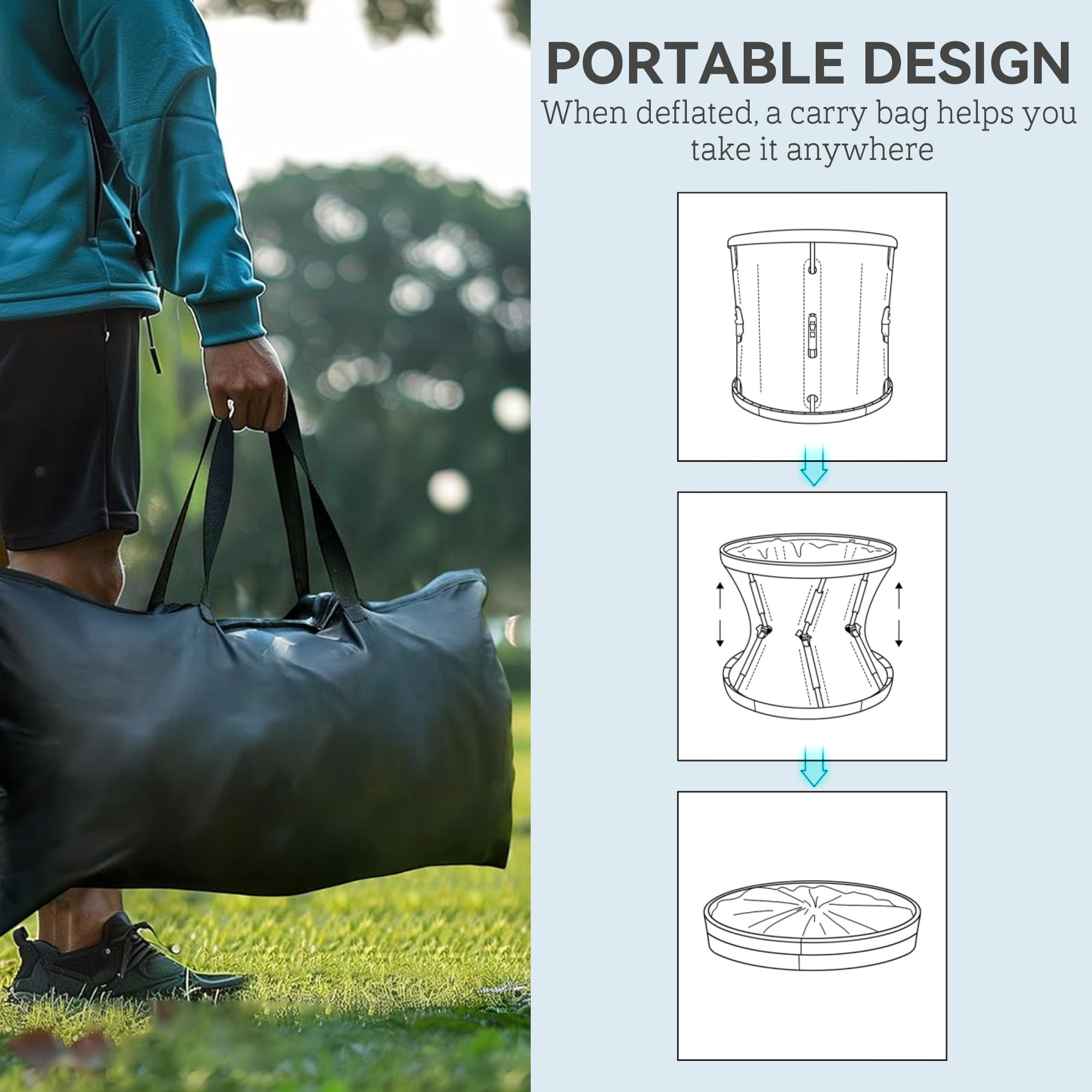
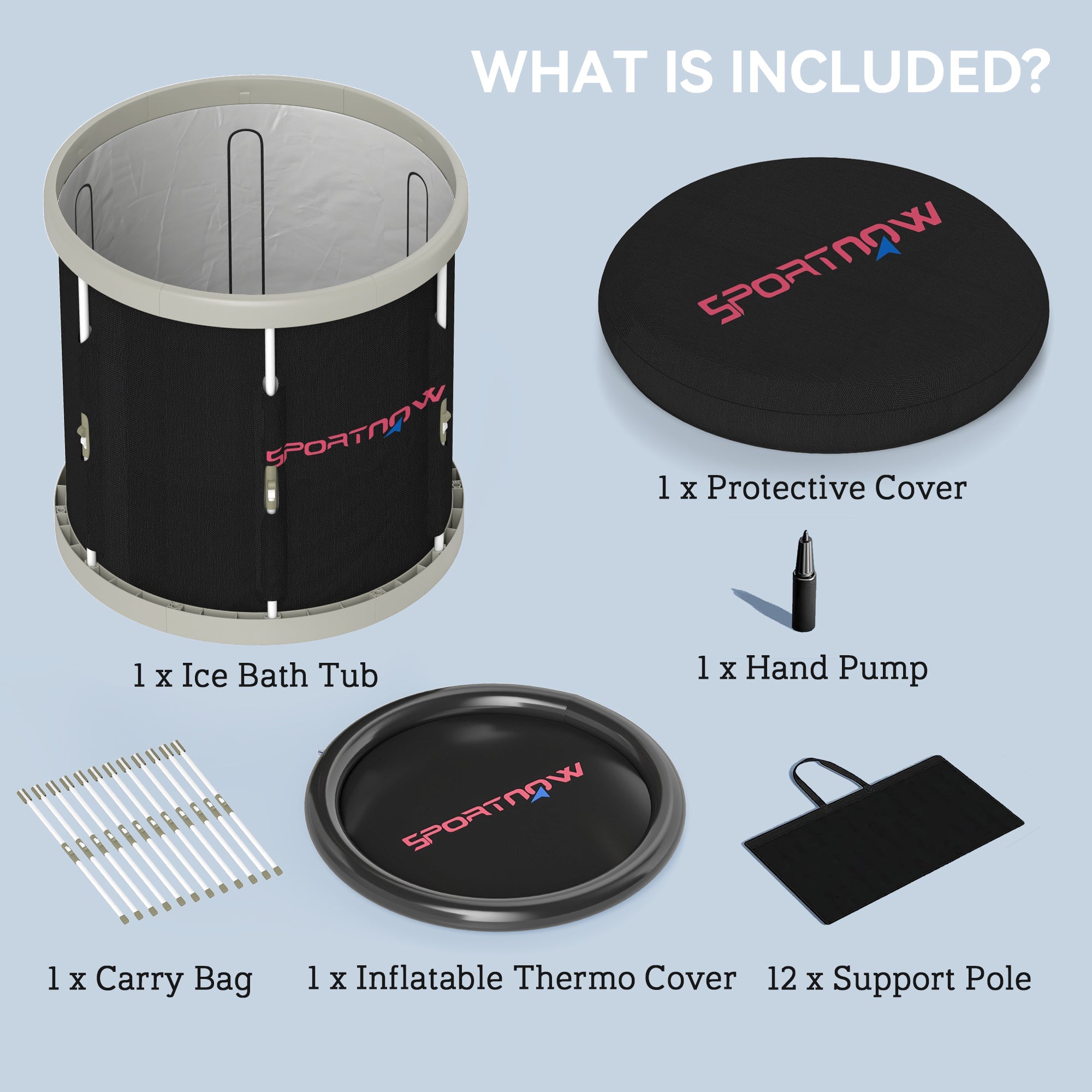
Ice baths and water chillers are a simple, effective way to bring cold water therapy into your routine. Whether you are recovering after a hard training session, building a daily resilience habit, or setting up a plunge pool at home, the right cold water setup makes a big difference to comfort, consistency and water quality.
At Northern Watersports, we stock ice bath and chiller options for people who want a practical, reliable cold plunge setup without overcomplicating things. From portable plunge pools to temperature-controlled chillers, this collection is designed to help you create a cold water therapy system that is easy to use, easy to maintain and ready when you are.
Ice Baths, Chillers and Plunge Pools
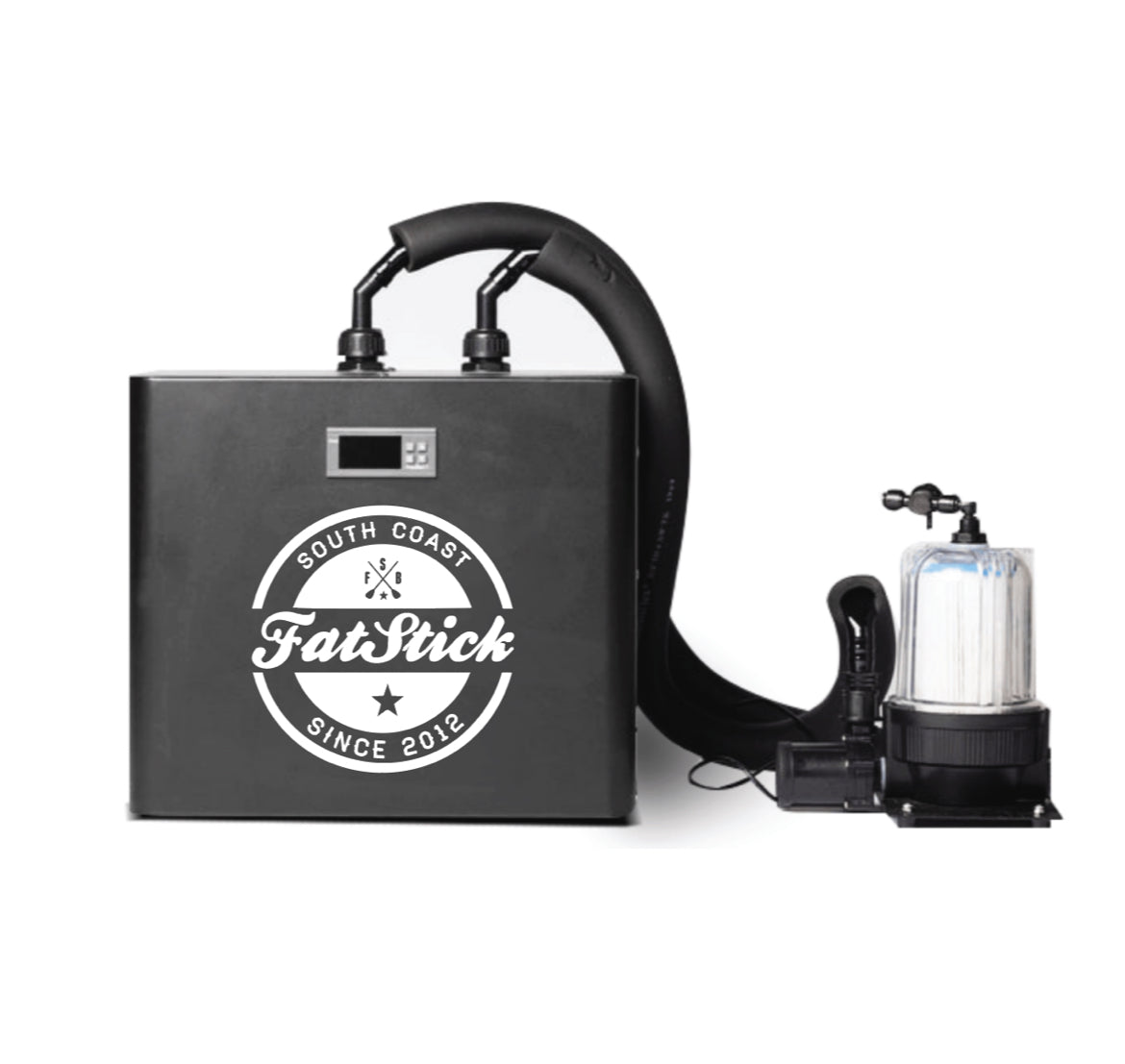
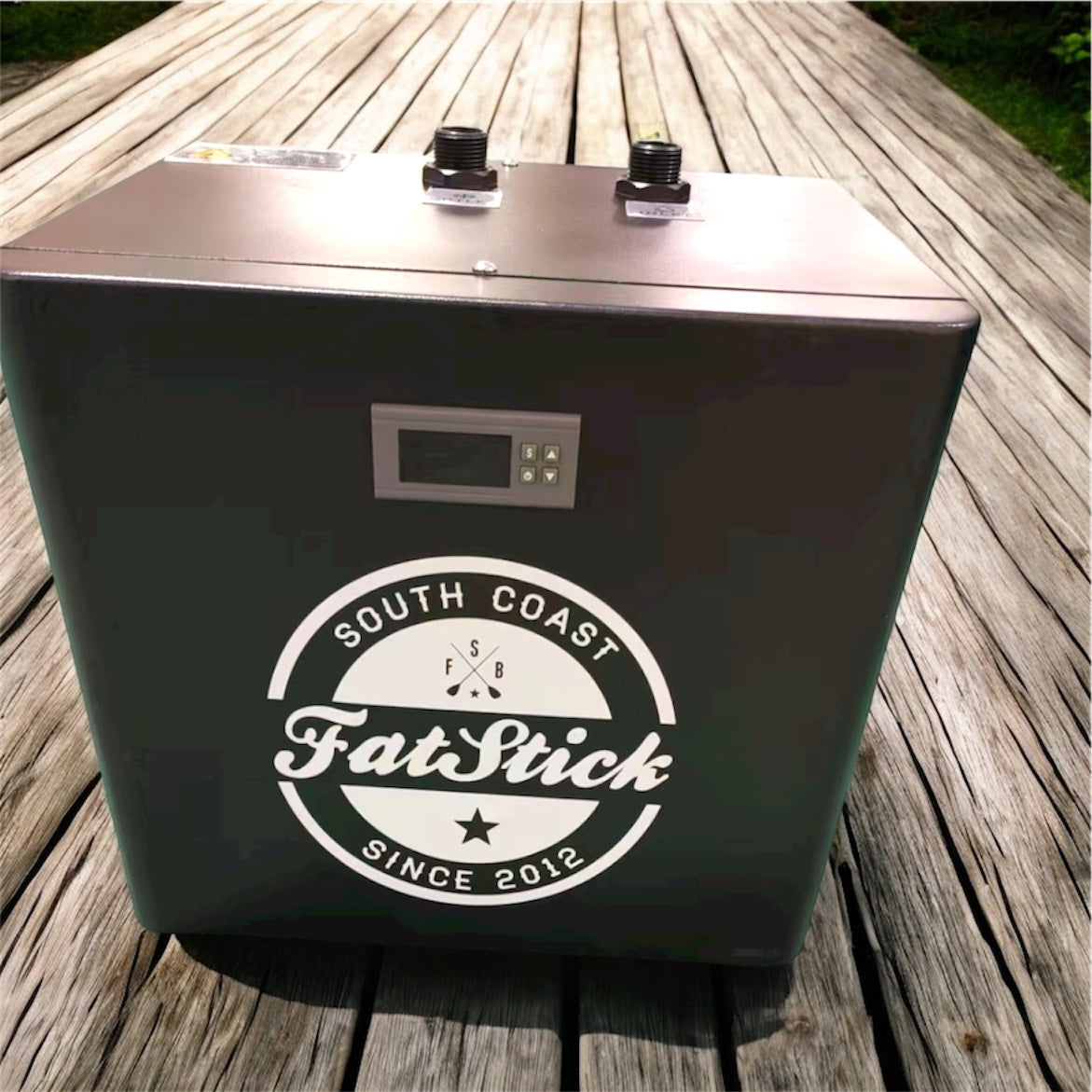
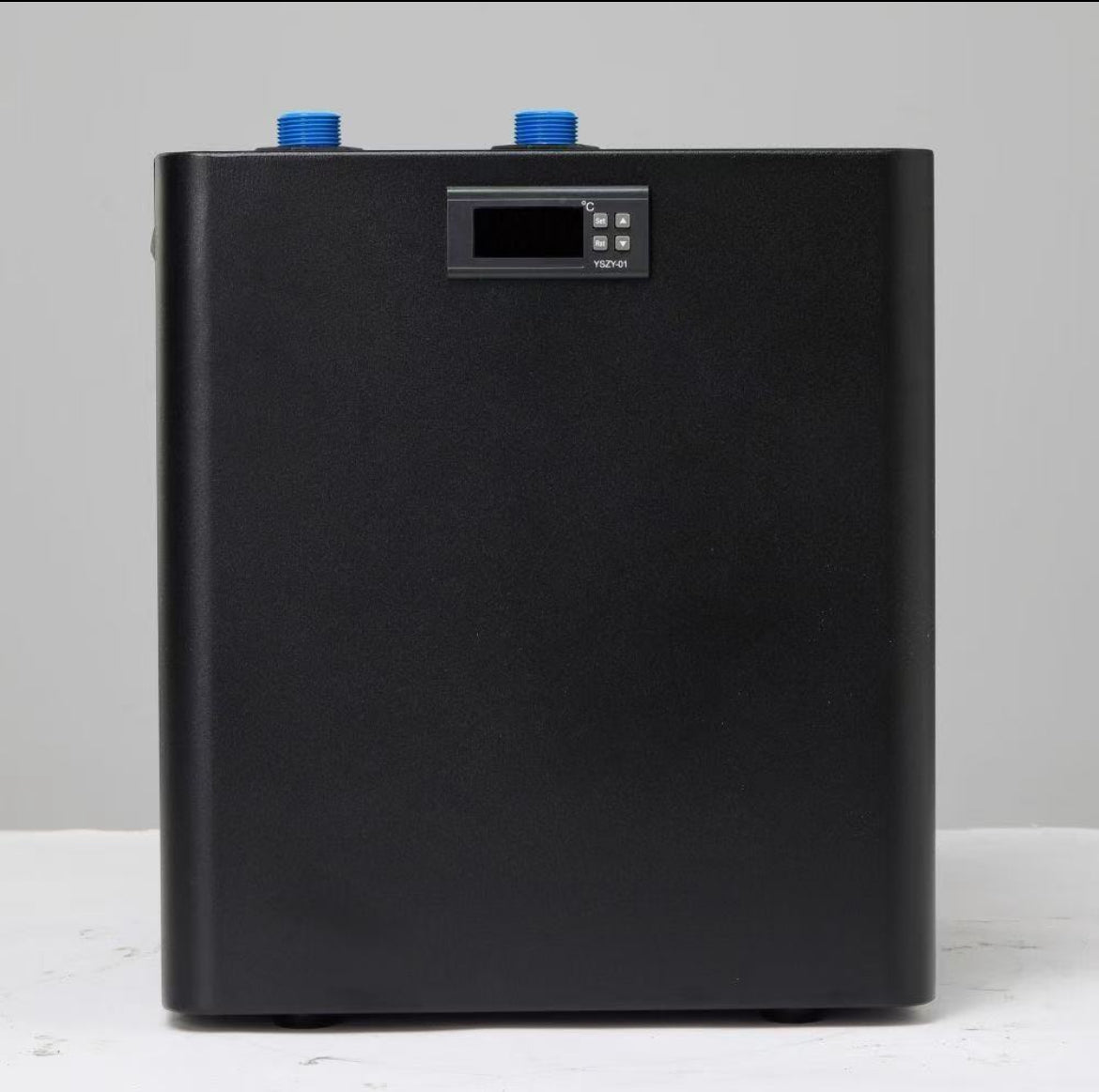
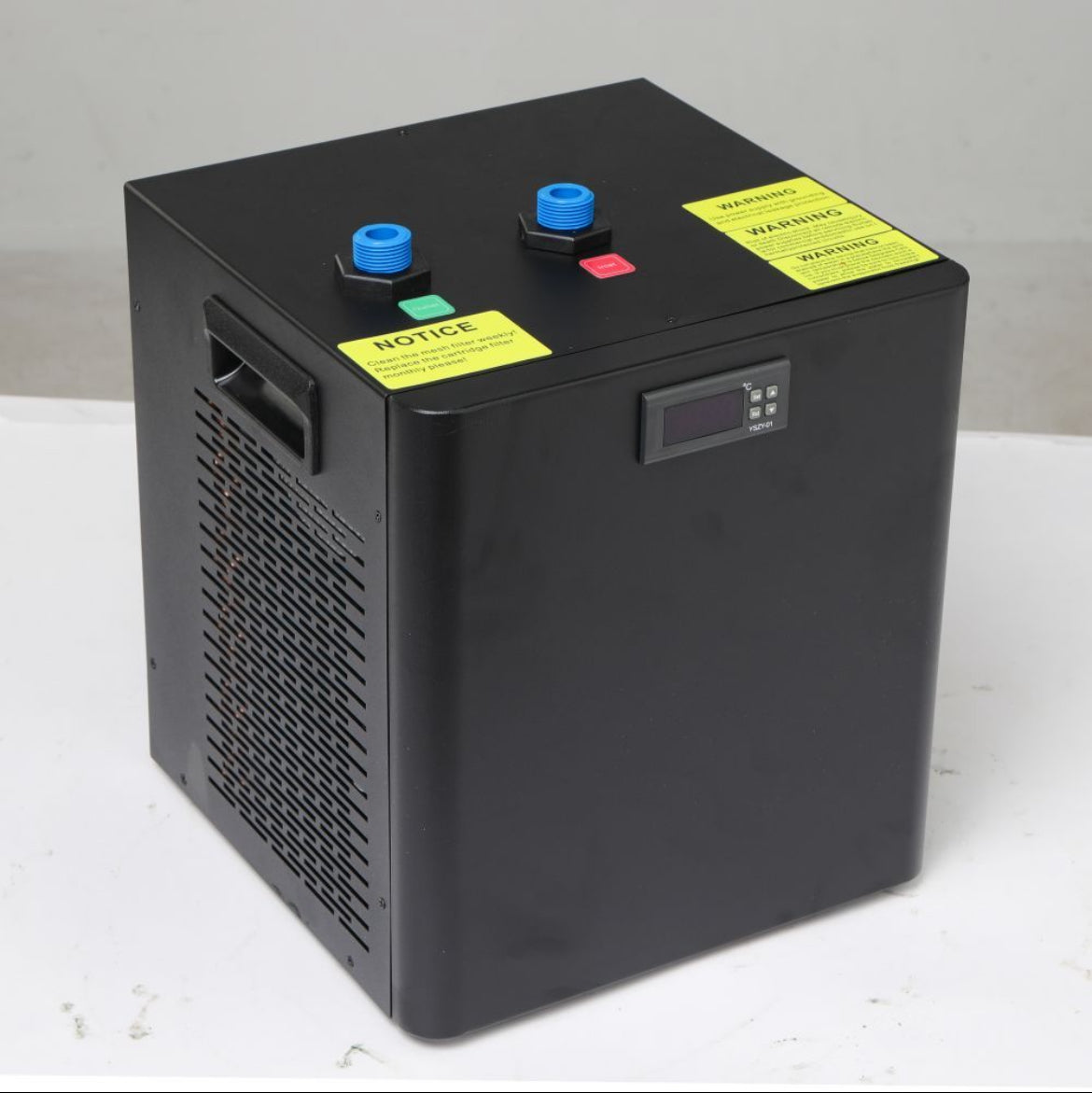
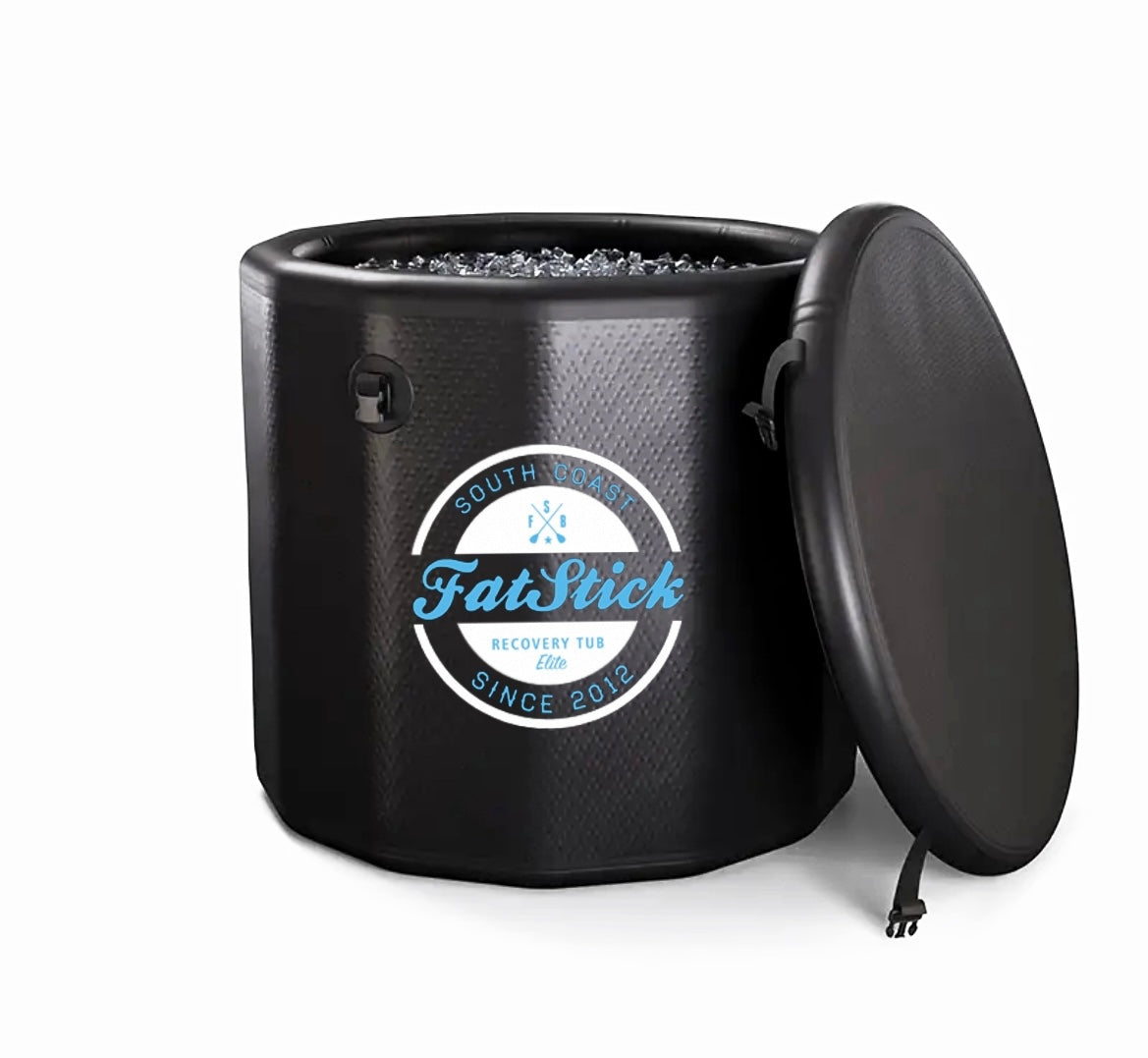
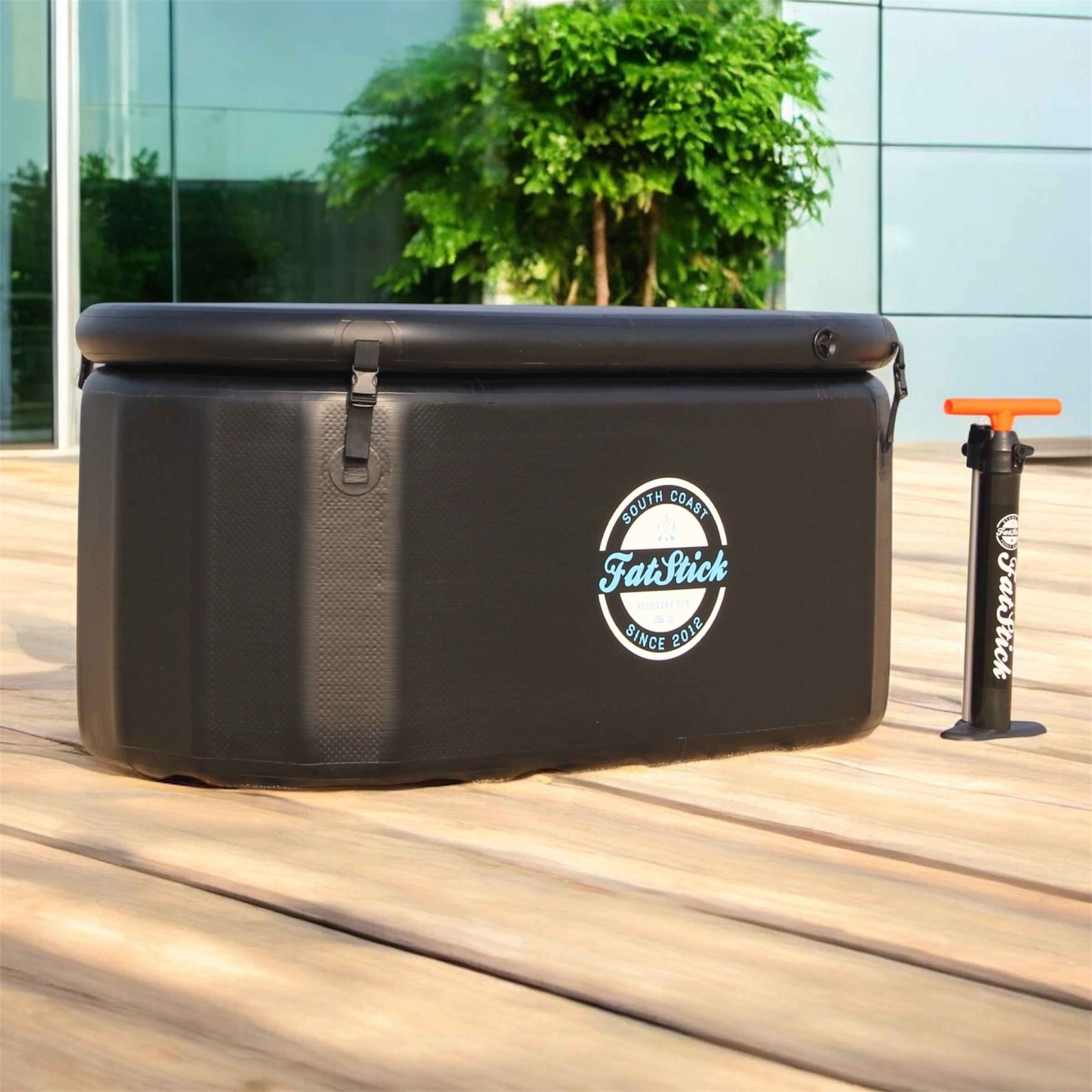
An ice bath is usually a tub or plunge pool filled with cold water, often used after exercise or as part of a regular wellness routine. A chiller takes the setup further by cooling the water automatically, helping you keep a consistent temperature without constantly adding bags of ice.
For regular use, a water chiller can be a much more convenient option. It helps maintain cold temperatures, supports cleaner water management when used with the right filtration setup, and makes it easier to build cold water therapy into your day without extra preparation every time.
Who It’s For
- Watersports riders: Ideal after kitesurfing, wingfoiling, paddleboarding, surfing or cold-weather sessions.
- Fitness users: Useful for post-training recovery, gym routines and sports performance habits.
- Home wellness: Great for anyone building a regular cold plunge or cold water therapy routine at home.
- Gyms and studios: Suitable for recovery areas, wellness spaces and performance facilities.
Benefits of Cold Water Therapy
- Recovery support – Many people use cold plunges after training to help their body feel fresher and ready for the next session.
- Routine and resilience – A regular cold water habit can help build discipline, focus and mental toughness.
- Convenient home setup – A plunge pool or ice bath gives you access to cold water therapy without needing open water or spa facilities.
- Controlled temperature – A chiller allows you to keep the water at a more consistent temperature than ice alone.
- Year-round use – With the right setup, you can keep your plunge pool cold even when the weather warms up.
Ice Bath vs Chiller Setup
A basic ice bath is a good entry point if you only plan to cold plunge occasionally. It is simple, portable and easy to understand. The downside is that you need to add ice or rely on outdoor temperatures to keep the water cold.
A chiller setup is better for regular cold water therapy. Instead of filling the tub with ice every time, the chiller cools the water for you. This makes the experience more consistent and often more cost-effective over time, especially if you are using your plunge pool several times per week.
Choosing the Right Cold Plunge Setup
- For occasional use: A portable ice bath or plunge tub may be enough.
- For regular use: Choose a plunge pool with a compatible water chiller.
- For shared use: Look for stronger materials, good insulation and an easy maintenance routine.
- For performance recovery: A chiller helps you control water temperature more accurately.
Real-World Feel
The biggest difference between a simple ice bath and a chiller-powered plunge pool is consistency. With a standard tub, the temperature changes depending on the weather, how much ice you use and how long the water has been standing. With a chiller, the water feels more controlled and predictable, making it easier to stick to a routine.
For watersports users, this is especially useful after long sessions in cold wind, heavy chop or high-output training. A cold plunge can become part of the same recovery routine as stretching, hydration and proper kit care.
Setup and Maintenance
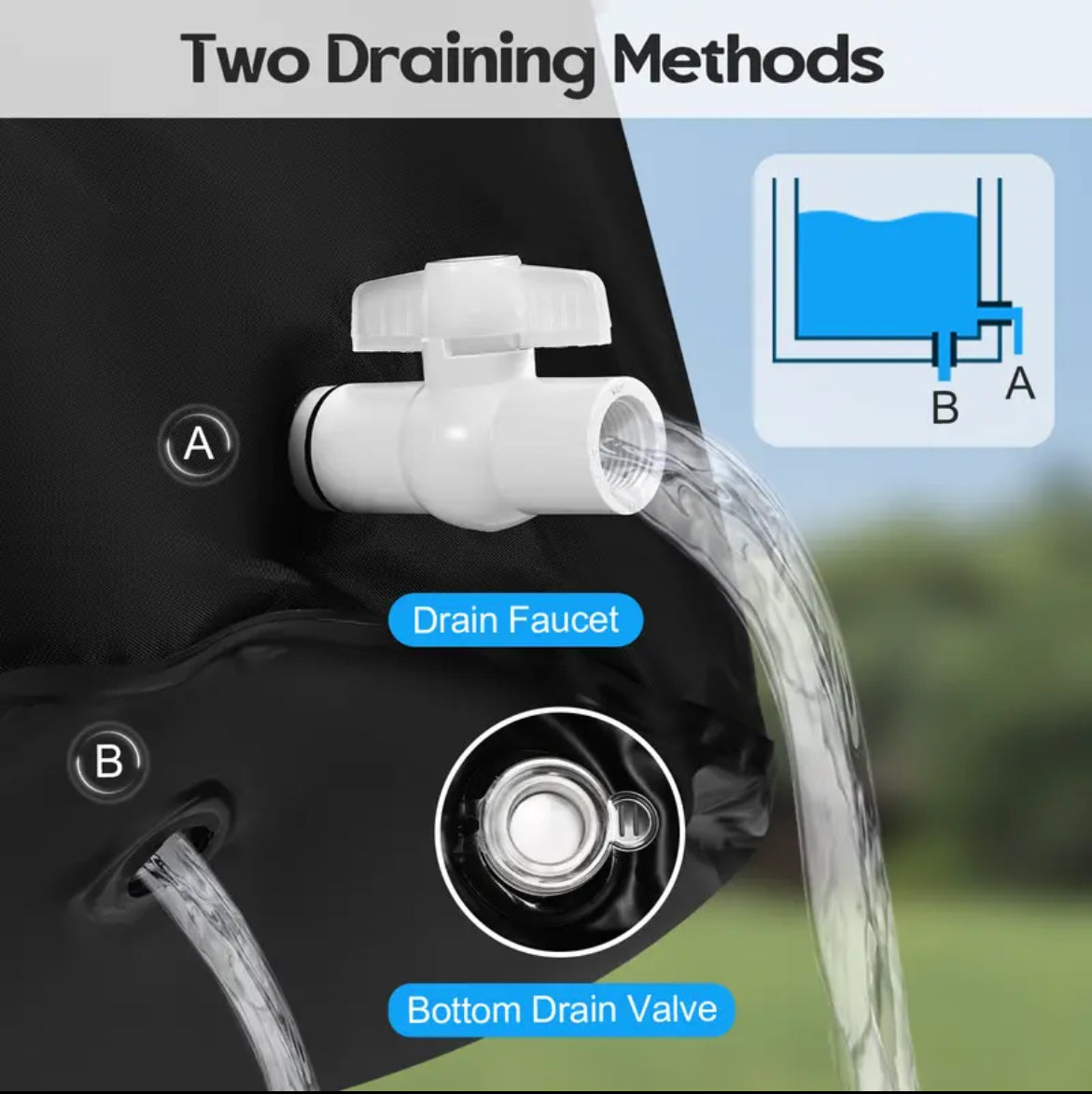
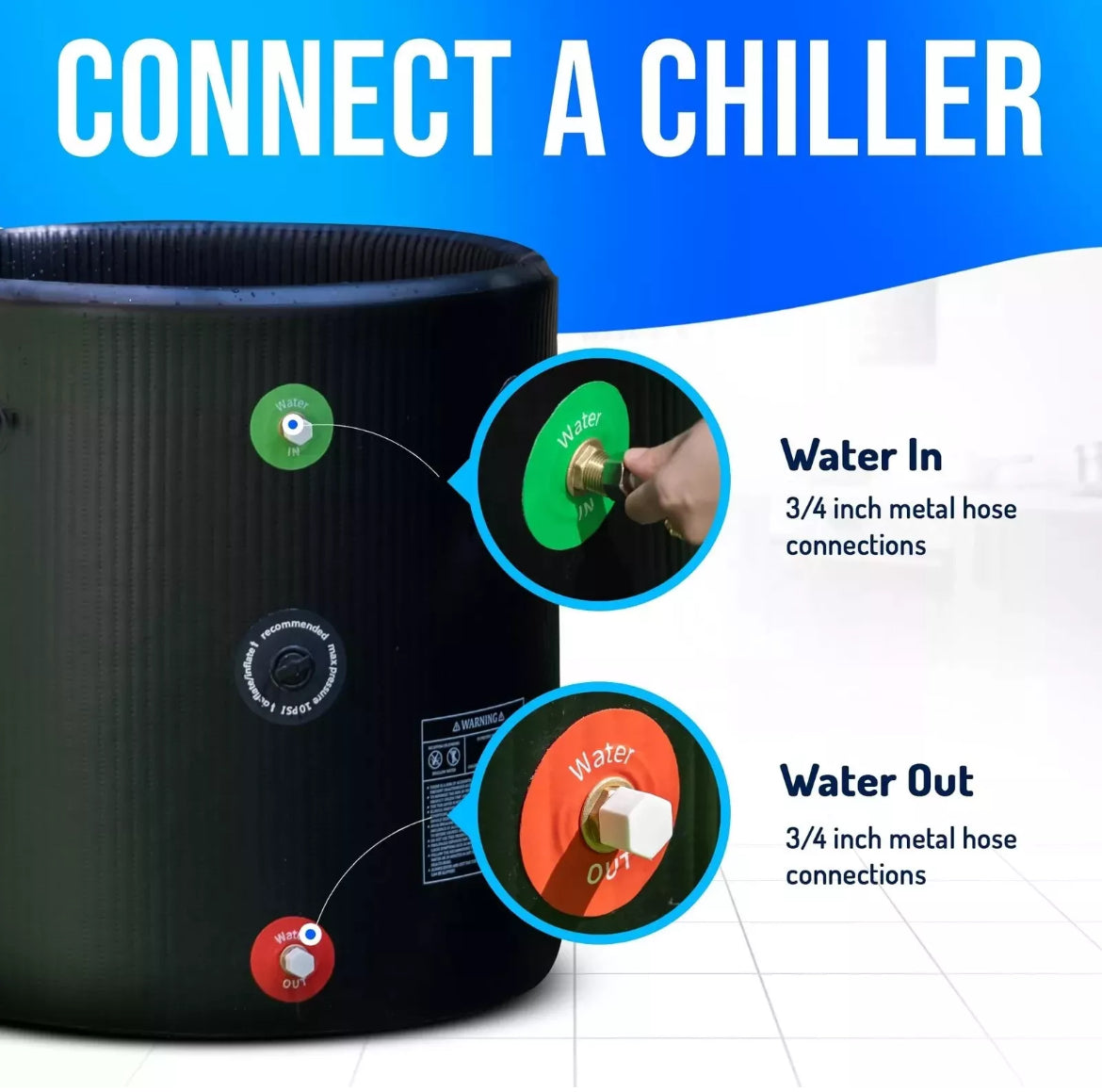
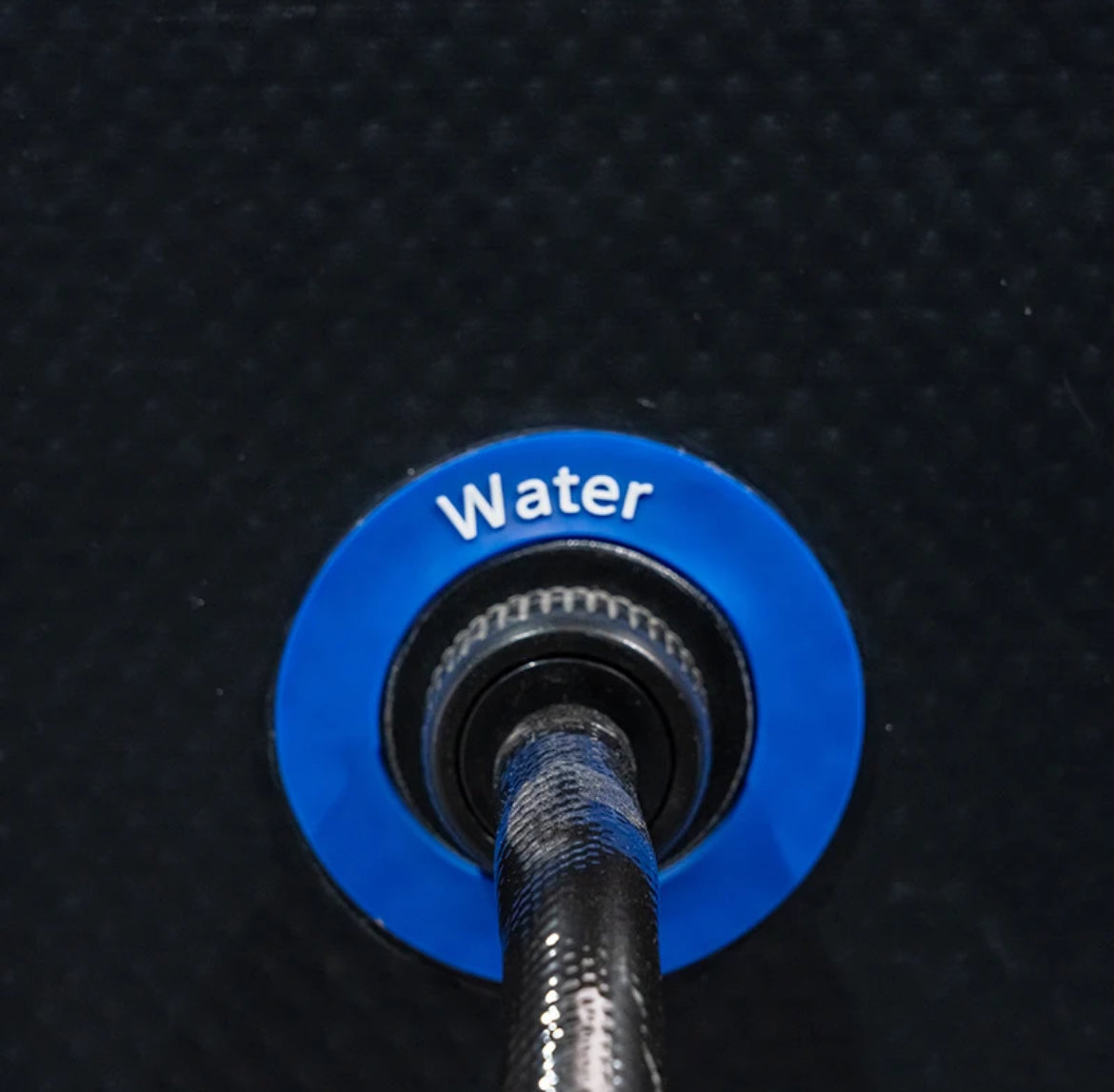
Most ice bath and plunge pool setups need a flat, stable surface, access to water and enough space around the tub for safe entry and exit. If you are using a chiller, you will also need access to power and suitable hose connections.
For regular use, water care matters. Always follow the manufacturer’s guidance for filtration, cleaning, water treatment and safe operating temperatures. Keeping the water clean helps your plunge pool feel better, last longer and stay ready to use.
Why Buy Ice Baths and Chillers from Northern Watersports?
- Real outdoor experience: We understand cold water, changing weather and the demands of UK watersports users.
- Practical advice: We can help you choose a setup that suits your space, routine and budget.
- Recovery-focused range: We stock products that make sense for active people, not just wellness trends.
- Support before and after purchase: If you need help with setup or product choice, we are here to guide you.
FAQs
What is the difference between an ice bath and a plunge pool?
An ice bath is usually any tub filled with cold water and ice. A plunge pool is often a more dedicated cold water setup, built for regular use and sometimes paired with a chiller or filtration system.
Do I need a water chiller?
If you only cold plunge occasionally, you may not need one. If you plan to use your ice bath several times per week, a chiller makes the setup much easier because it keeps the water cold without needing bags of ice every time.
What temperature should I use for cold water therapy?
This depends on your experience level, health and tolerance. Beginners should start warmer and shorter, then build gradually. Always follow product guidance and seek medical advice if you have any health concerns.
Are ice baths suitable after watersports?
Yes, many watersports users include cold water therapy as part of their recovery routine. It can be especially useful after demanding kite, wing, surf, SUP or training sessions, but it should be used sensibly and not as a replacement for rest, food, hydration and proper recovery.
Can I use a cold plunge all year round?
Yes. A basic ice bath will depend more on the outside temperature, while a chiller setup gives you better control through warmer months.
How do I keep my plunge pool water clean?
Follow the manufacturer’s cleaning and water care instructions. Depending on the setup, this may include filtration, regular water changes, approved cleaning products and covering the tub when not in use.

